SABAL PALMS
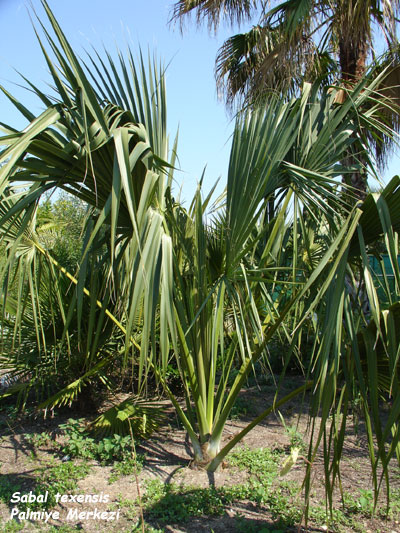
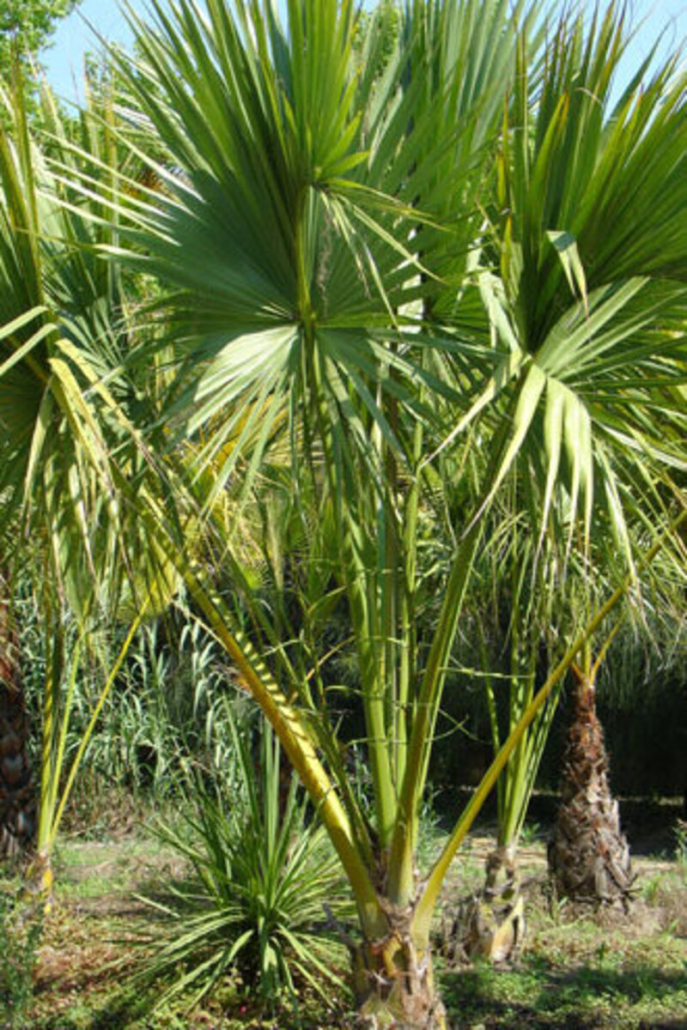
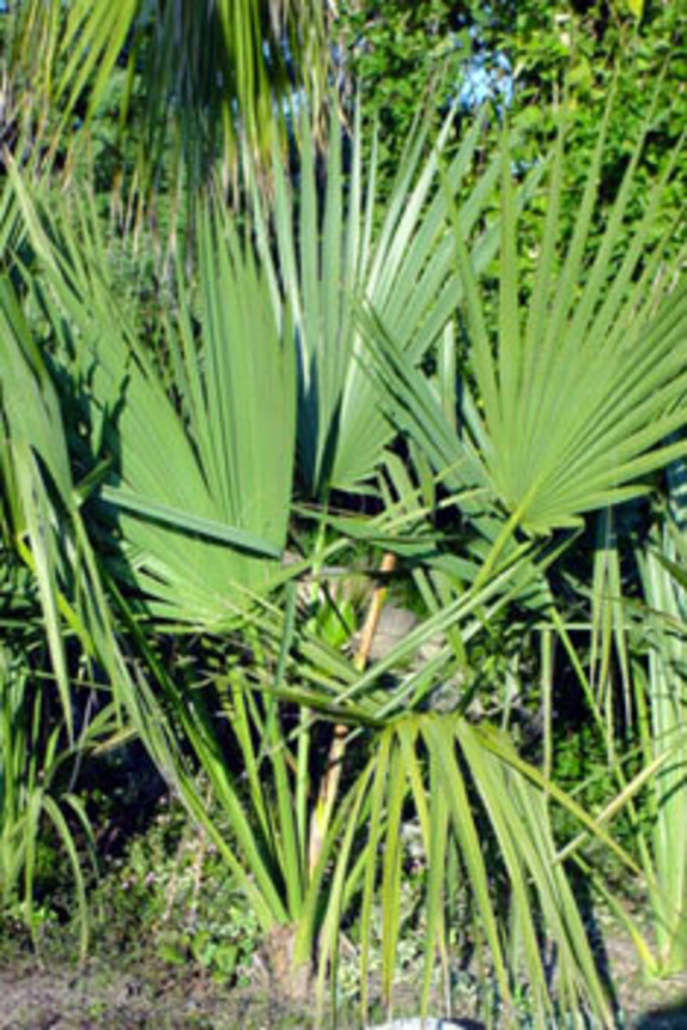
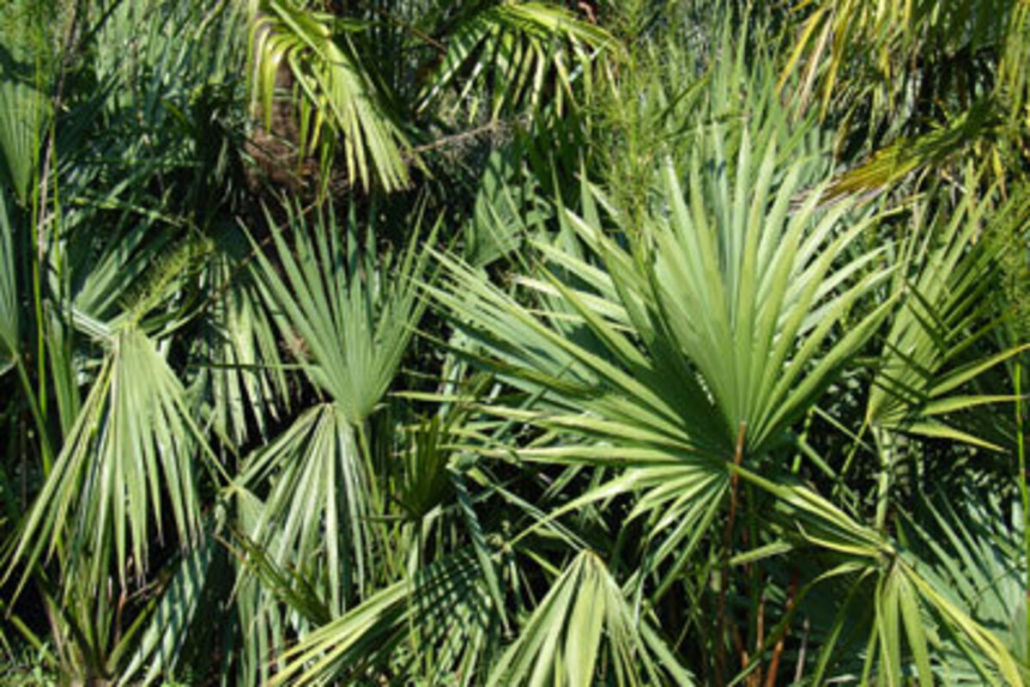
Sabal palms consist of 14 single-trunk species that grow in dry plains, sandy beaches, or wetlands, ranging from the southern United States to Venezuela. These palms are sun-loving and cold-hardy, with fan-shaped leaves. Various tropical and subtropical species can adapt to sandy soils or marshlands and can even tolerate light frost. The wide trunks of these palms often retain dead brown leaves for a long time, covering much of the trunk. In fertile soil with sufficient watering, they grow rapidly, but they can also adapt to arid regions. Sabal minor, being smaller, is more suitable for pots, ideally 30–50 cm in diameter. These palms are hermaphroditic, and fertilization occurs within the same plant.
SABAL PALMETTO (Cabbage Palm, Sabal Palm)
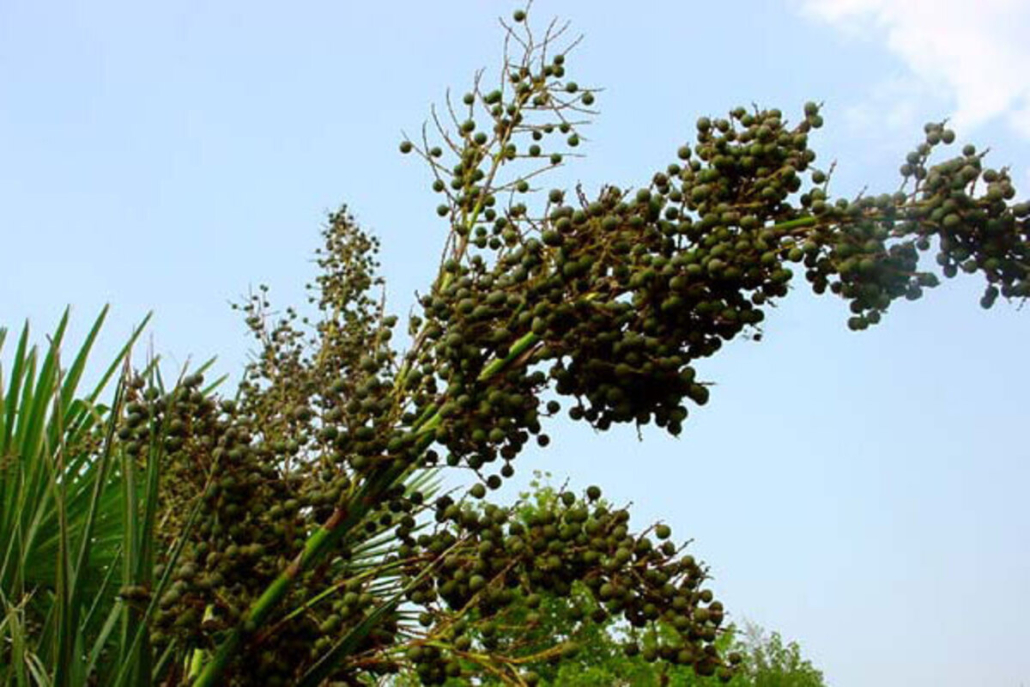
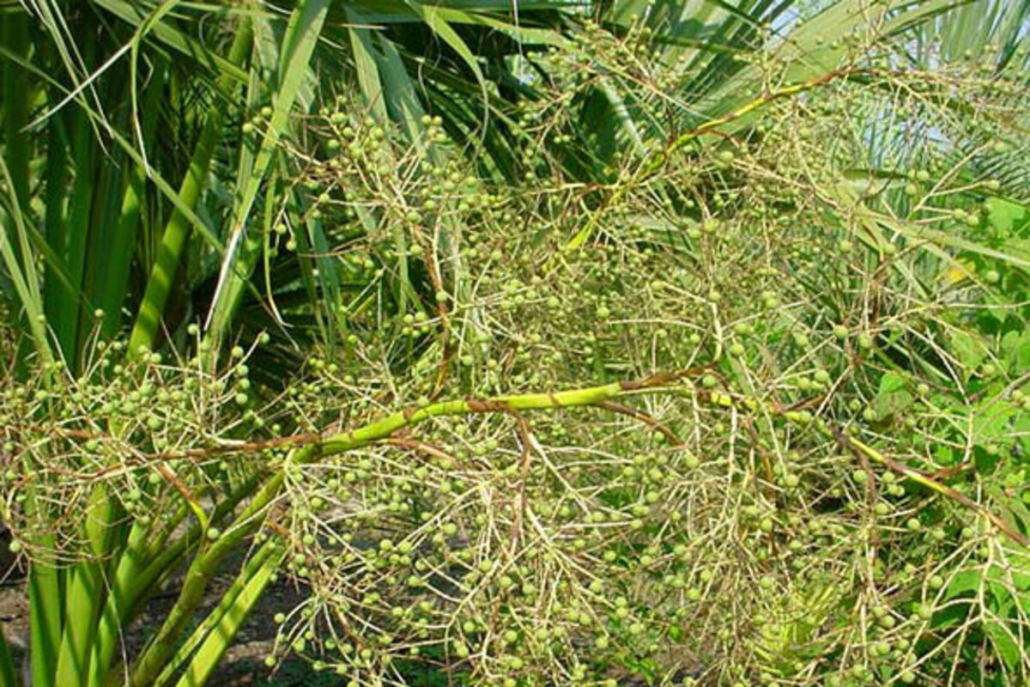
Native to the southeastern United States, it is common in Florida and Carolina. It can reach up to 20 meters in height. The trunk, 30–45 cm in diameter, is marked by scars from fallen leaves. At the top, there are about 30 wide, fan-shaped leaves ranging from green to bluish-green. These dull green leaves are about 2 meters long and grow on long petioles. Flowers are white, and the fruit is black, about 10 mm in diameter. This species can tolerate temperatures as low as -12°C. Its seeds are used in Palmolive brand soaps, shampoos, and other products.
SABAL MINOR (Dwarf Palmetto, Dwarf Sabal)
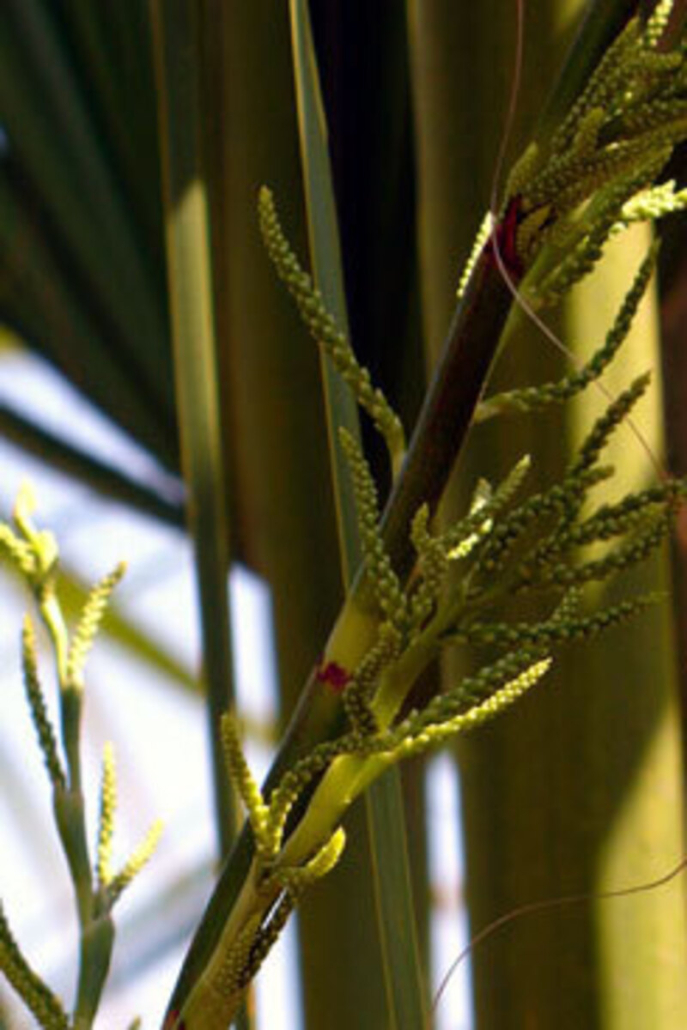
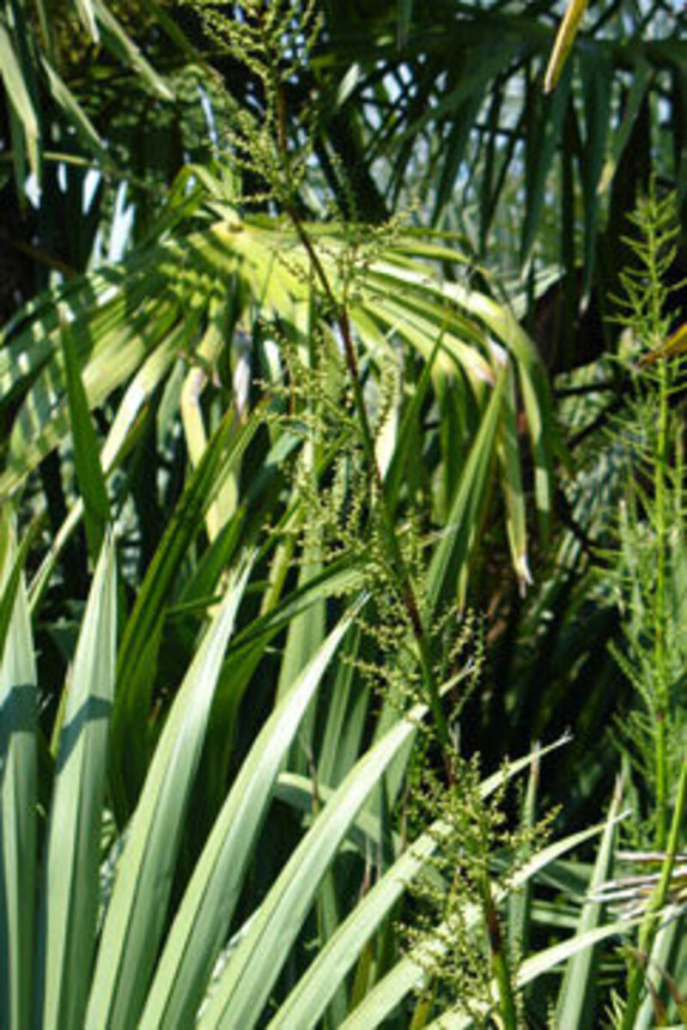
Also native to the southeastern United States, this is a dwarf species, with a trunk usually underground and rarely exceeding 2 meters. It adapts to most soil types. The trunk is marked with coarse scars from fallen leaves. At the top, there are 8–20 bluish-green fan-shaped leaves, with older leaves drooping down. Flower spikes extend above the leaves, and the flowers are white. The fruits are black, about 7 mm long. Compared to Sabal palmetto, Sabal minor is more cold-hardy, tolerating temperatures down to -18°C.
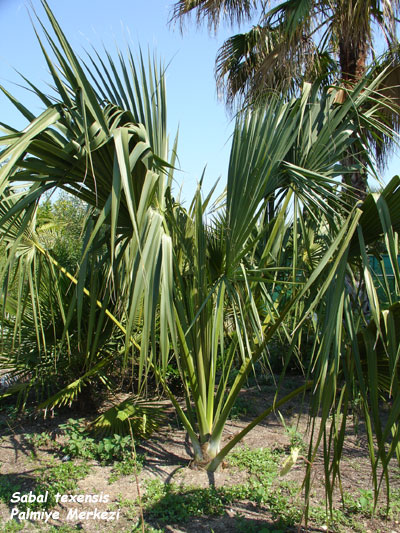
Other Sabal species available at our center include: Sabal bahamensis, Sabal domingensis, Sabal rosei, Sabal texensis, Sabal umbraculifera.