MUSA ORNATA – ORNAMENTAL BANANA
Palms and bananas are two essential elements in creating a tropical effect in landscape design. The presence of either group immediately evokes a tropical atmosphere, particularly for observers in northern regions. Both palms and bananas include species with notable cold tolerance, which are widely used in warm-temperate and temperate climate zones to achieve a tropical aesthetic.
Among palms, Nannorrhops ritchiana, native to the high mountains of Afghanistan and Iran, is reported to tolerate temperatures as low as –21 °C, while Trachycarpus fortunei withstands temperatures to approximately –18 °C. Among bananas, the most cold-tolerant species is Musa sikkimensis, with root hardiness to –20 °C, followed by Musa velutinaand Ensete glaucum, both tolerant to approximately –16 °C. The temperature values given for bananas refer to root hardiness; foliage damage occurs at higher temperatures.
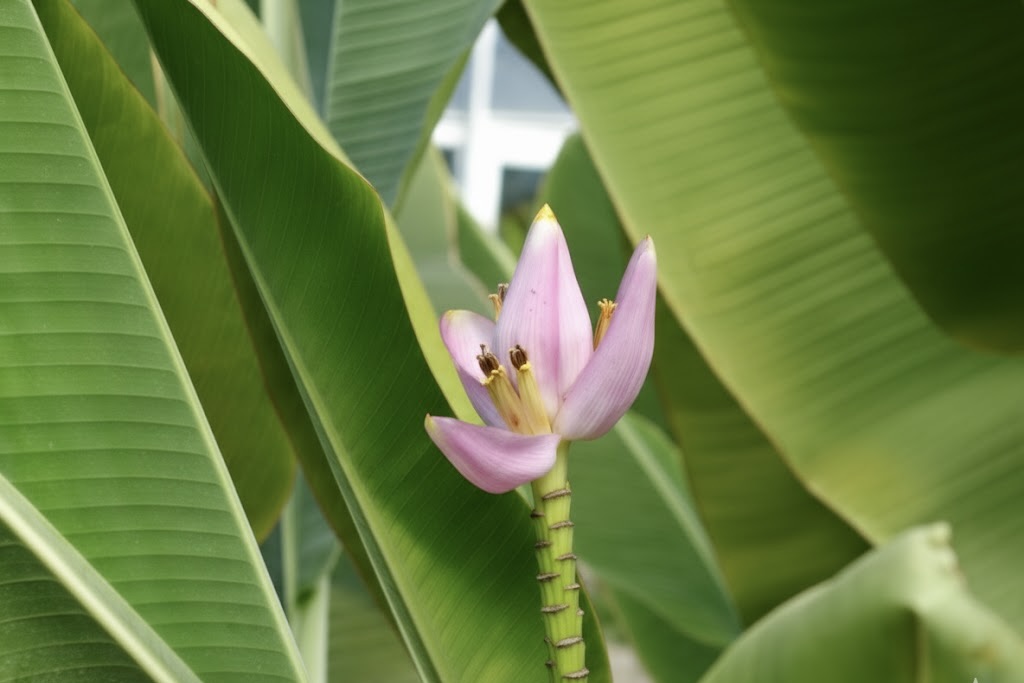
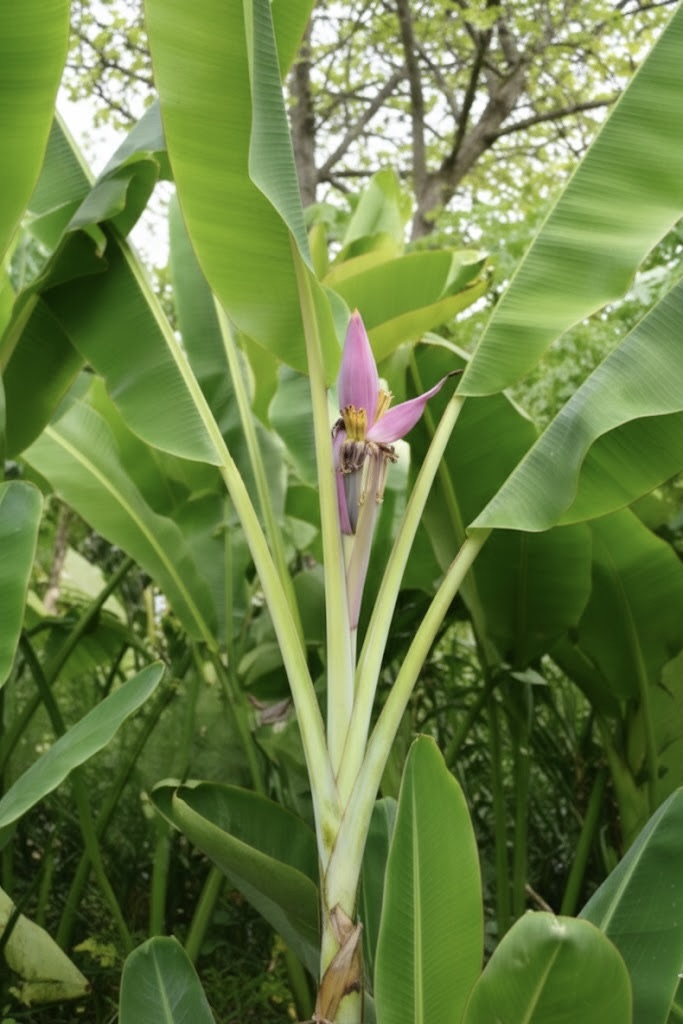
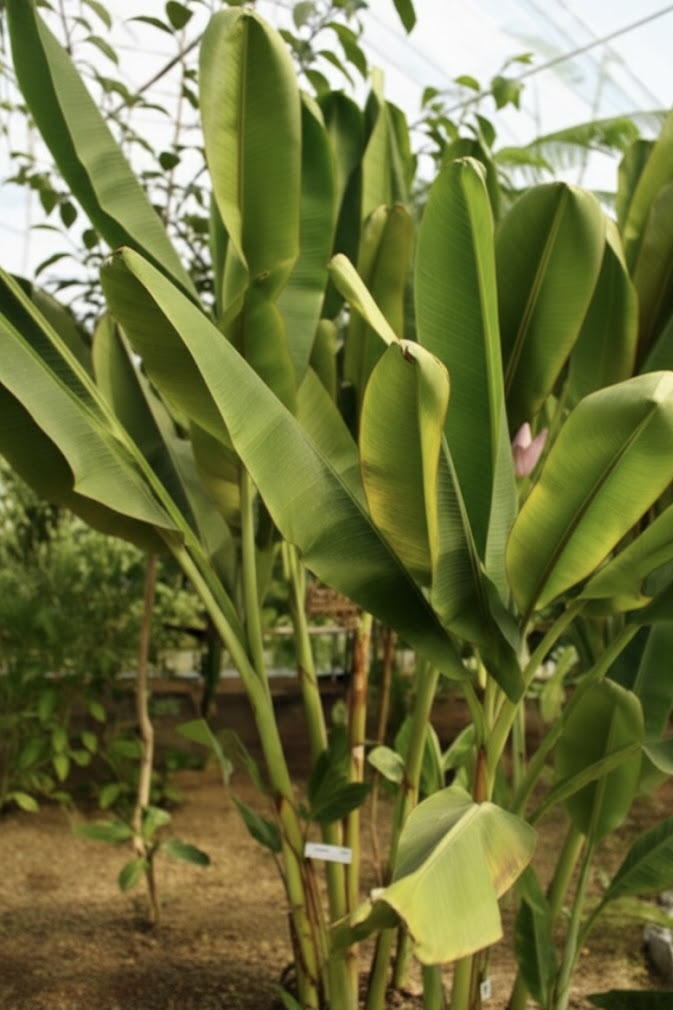
The ornamental banana introduced here, Musa ornata, exhibits root cold tolerance of approximately –10 to –12 °C. The species is native to India and Myanmar (formerly Burma). It is a fast-growing species that rarely exceeds 250–300 cm in height and produces numerous basal offsets. Leaves are slender and graceful, dark green with brown streaks and spotting, reaching 150–180 cm in length.
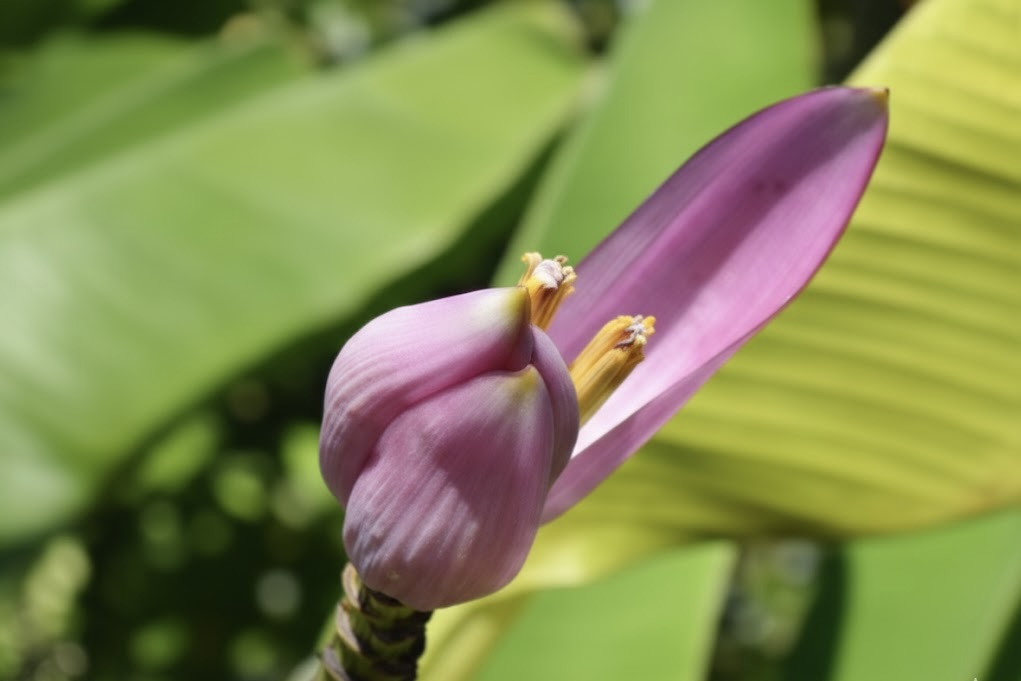
The inflorescence is borne on a long peduncle; flowers are yellow to orange, enclosed by rose-pink bracts. Flowering persists for an extended period, and following pollination, the flowers develop into small fruits. The inflorescences are also valued as cut flowers in tropical floral arrangements.
As with other bananas, Musa ornata prefers humus-rich, well-drained soils and full sun exposure. For fruit production, planting more than one individual is recommended to facilitate pollination. Propagation is achieved either by seed or by division of basal suckers. In regions subject to frost, winter protection of the root zone with mulch (preferably sheep or goat manure) is recommended.