CHAMAEDOREA SEİFRİZİİ – BAMBOO PALM

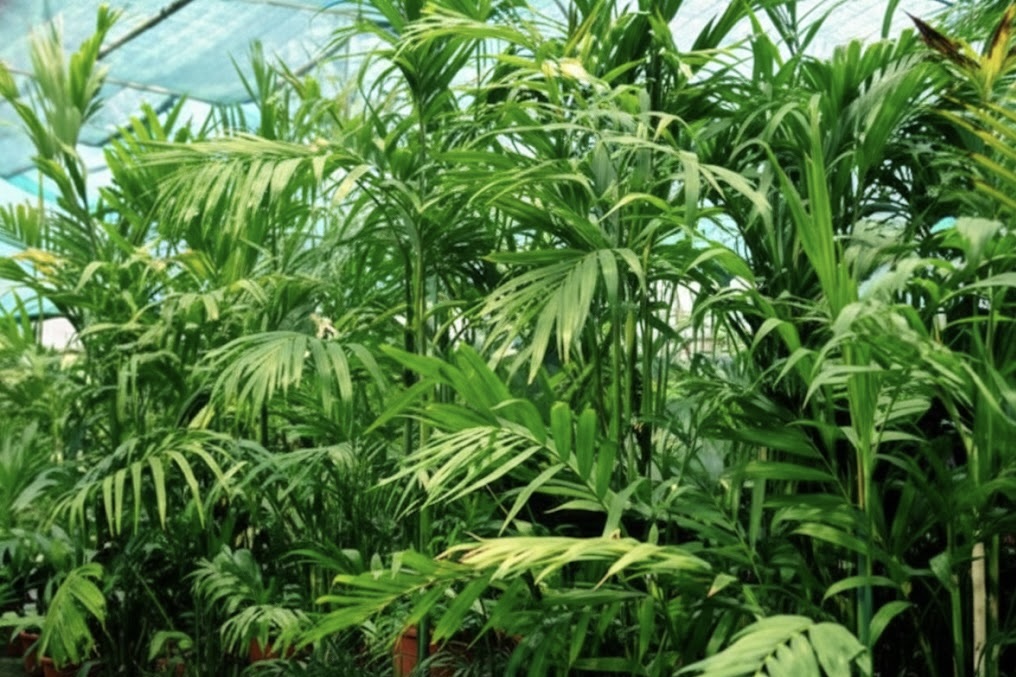
For interior landscaping, the Bamboo Palm is considered one of the most suitable palms. Its value as an indoor plant derives from its tolerance to low light levels, resistance to leaf yellowing or browning even under full sunlight, and greater resilience to spider mites and nematodes compared to the Graceful Palm (Chamaedorea elegans). Additionally, it exhibits a naturally tall, clumping growth habit, gradually expanding to form a dense, full appearance. It is particularly well-suited for large indoor spaces such as shopping centers, lobbies, or high-ceilinged areas where a striking visual impact is desired.
Chamaedorea palms are popular container plants. In frost-free climates, they can be grown outdoors in shaded areas. Being understory plants, they are generally not tolerant of direct sunlight. Unlike other members of the Chamaedorea genus, the Bamboo Palm is sun-tolerant in its native range, which includes open or semi-forested areas of Mexico, Belize, Guatemala, and Honduras.
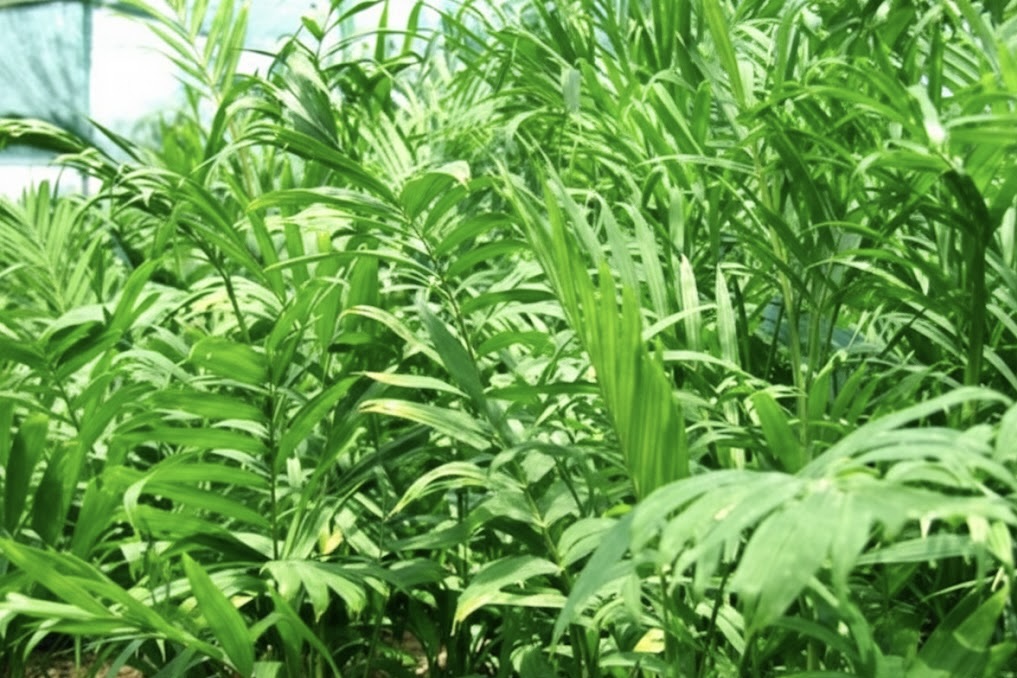
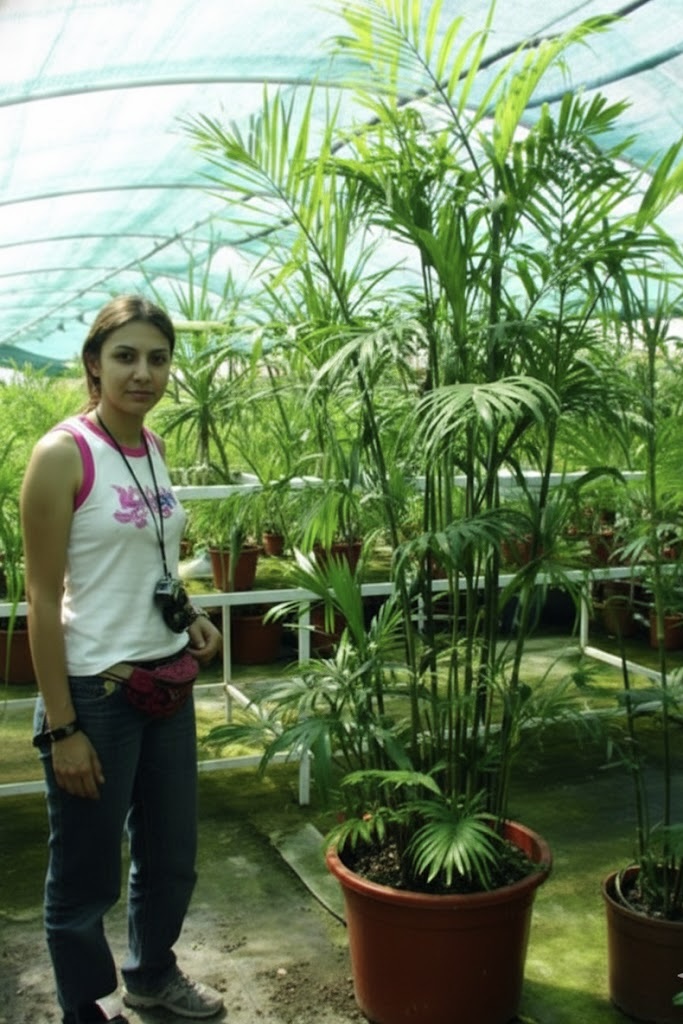
This multi-stemmed palm reaches 3–3.5 meters in height. Each stem typically produces 4–5 pinnate leaves, each 70–100 cm long, composed of 5–18 pairs of slender, lanceolate leaflets. The terminal pair of leaflets is shorter and broader than the others. Inflorescences emerge from beneath the leaves; male and female inflorescences are simple-branched. Female flowers are orange, and fruits are globose, black, approximately 8 mm in diameter. Among growers, Chamaedorea erumpens, known for its broader leaves, is considered synonymous with this species.
Chamaedorea seifrizii is widely cultivated in California, Hawaii, Florida, Southern Europe, Australia, the Far East, and other warm regions. After Chamaedorea elegans, it is the most common species of Chamaedorea worldwide. Approximately 18 tons of seeds are harvested and sold annually. In Turkey, it can be grown outdoors in areas where winter temperatures do not drop below -2 °C. It has been produced domestically by the Palm Center for the past decade.
Propagation is by seed. Germination usually occurs within 100 days, although some seeds may take 2–3 years to sprout. Among indoor palms, Chamaedorea species are highly resilient, tolerating both low light and irregular watering; however, for optimal growth, sufficient light and regular irrigation are recommended.