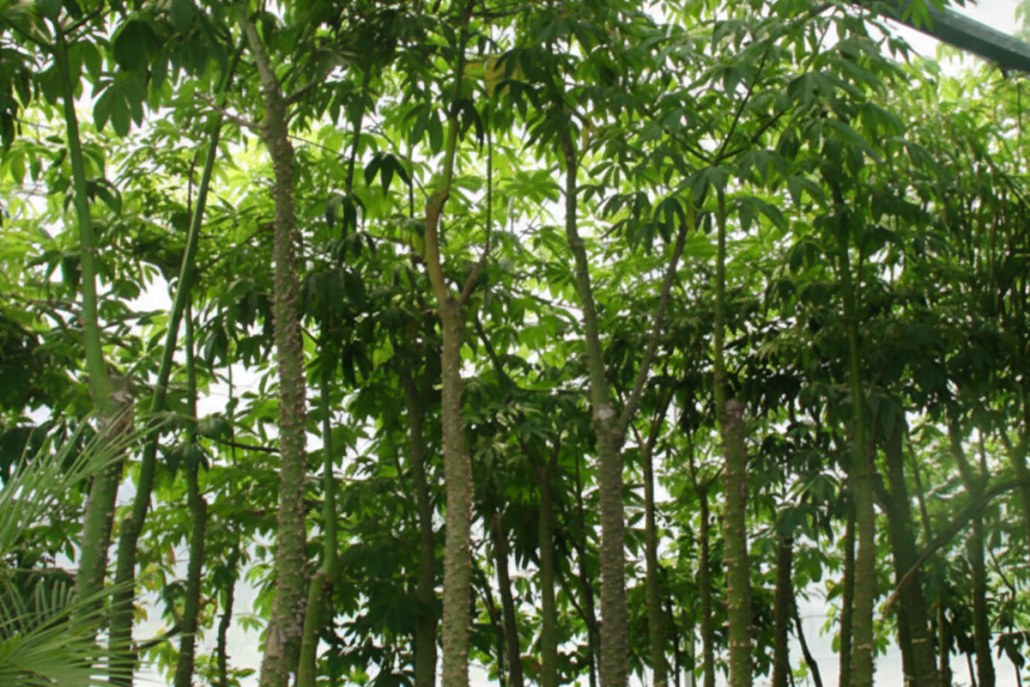
CHORISIA SPECIOSA – SILK FLOSS TREE (MONKEY-NO-CLIMB TREE)
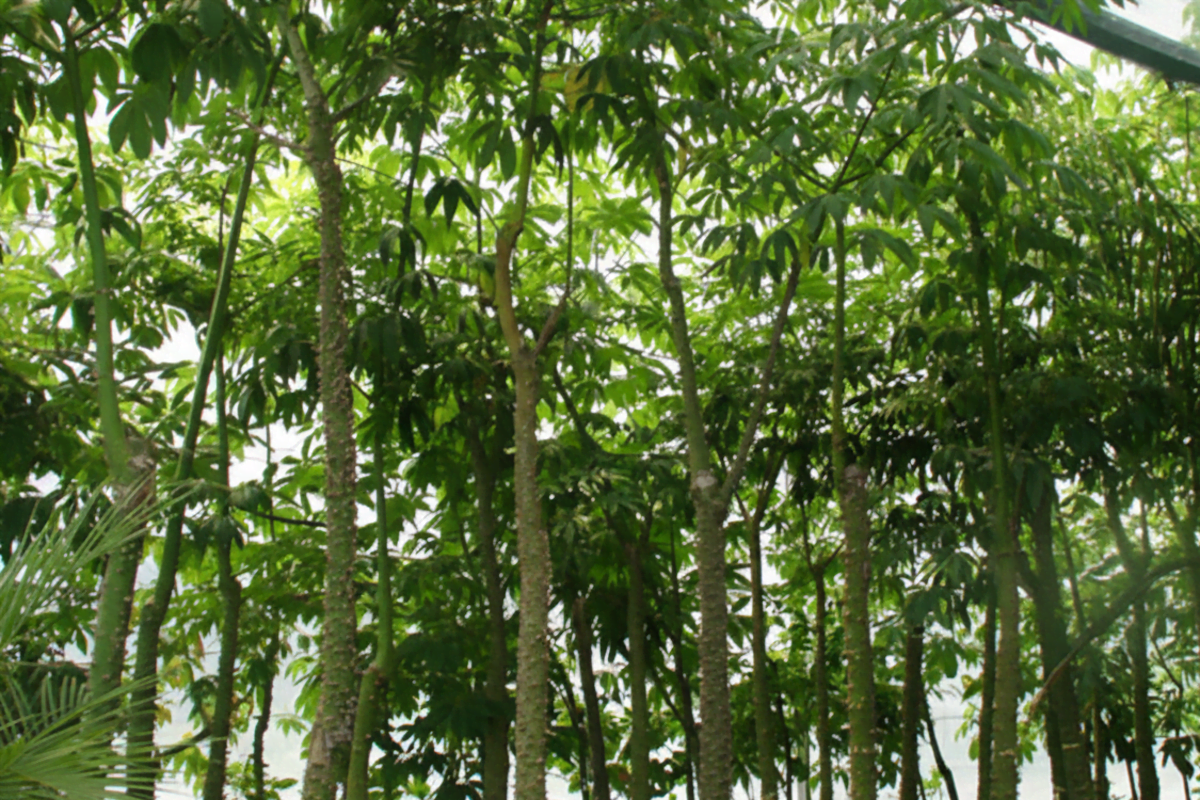
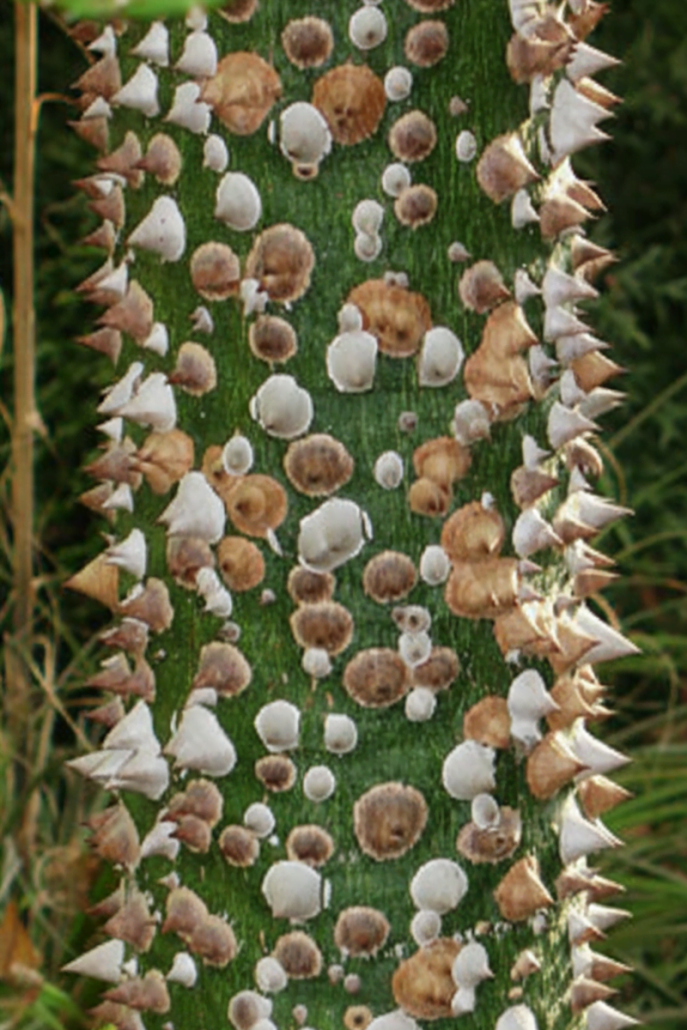
If you want to create a tropical atmosphere, enjoy spectacular autumn blooms, and have a tree that remains visually interesting year-round, the answer is the Silk Floss Tree (Chorisia speciosa), commonly known in Turkish as “Maymun Çıkamaz.” The genus Chorisia (synonym: Ceiba) includes five deciduous tree species native to South America. Their common characteristics are their thorn-covered, swollen trunks. These trees belong to the Bombacaceae family, known for tropical soft-fiber trees, and are also called “Kapok trees.”
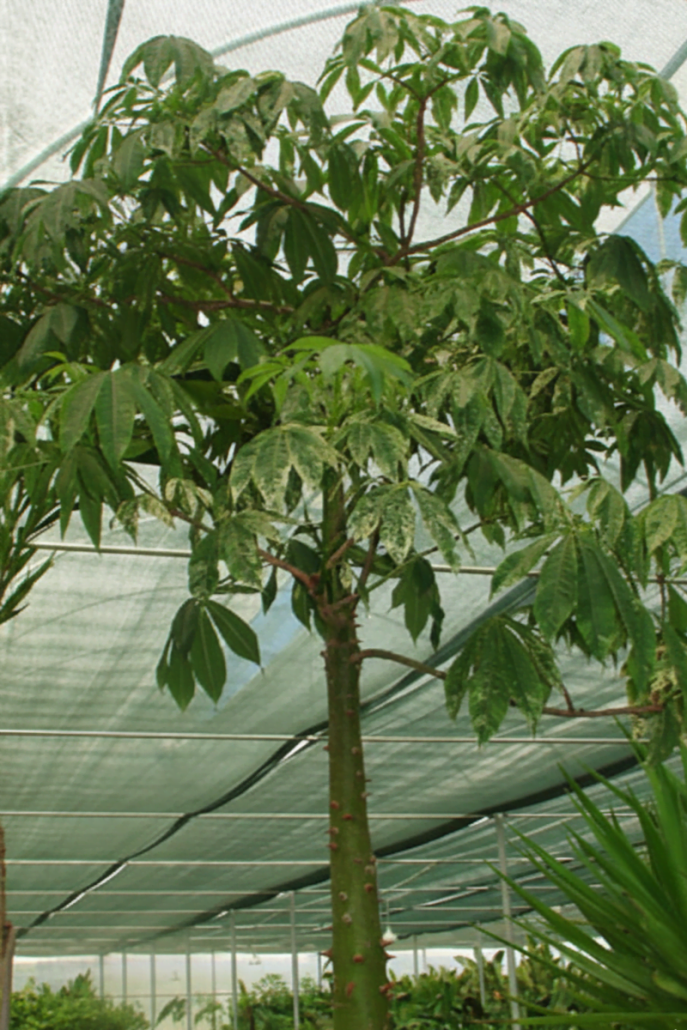
The Silk Floss Tree is native to Brazil and Argentina. Its trunk is covered with prominent thorns, similar to those on a rose stem. The leaves are palmately compound with 4–7 leaflets, and the petioles are long. The seed pods are lined with silky fibers that surround the seeds. In Brazil, these fibers are used to produce stuffing and upholstery material. For this reason, in English the tree is called the “Silk Floss Tree.”
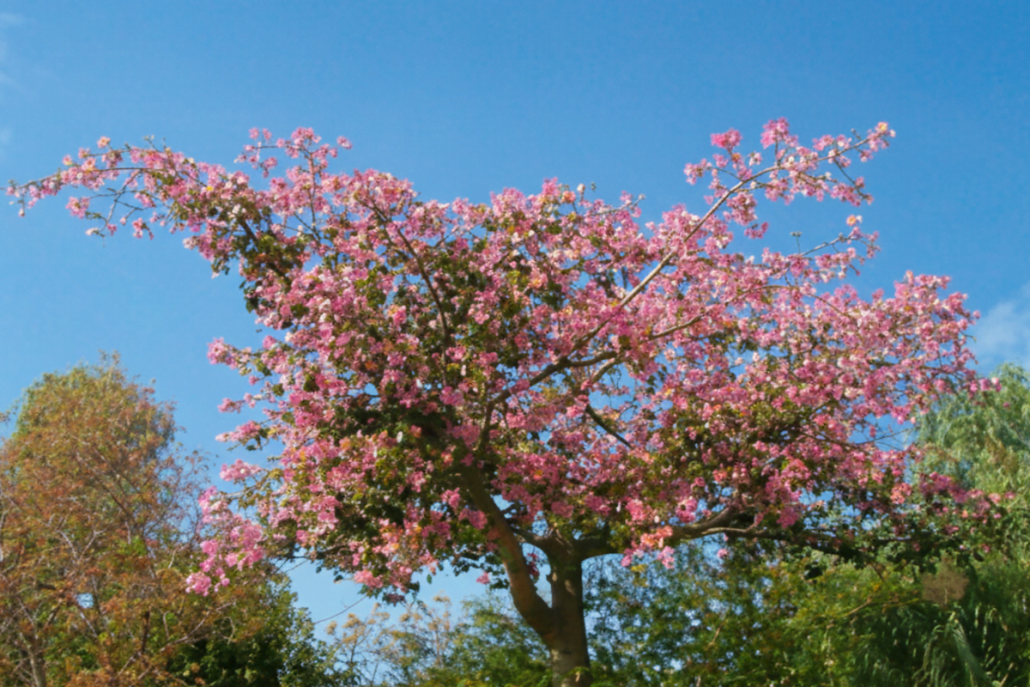
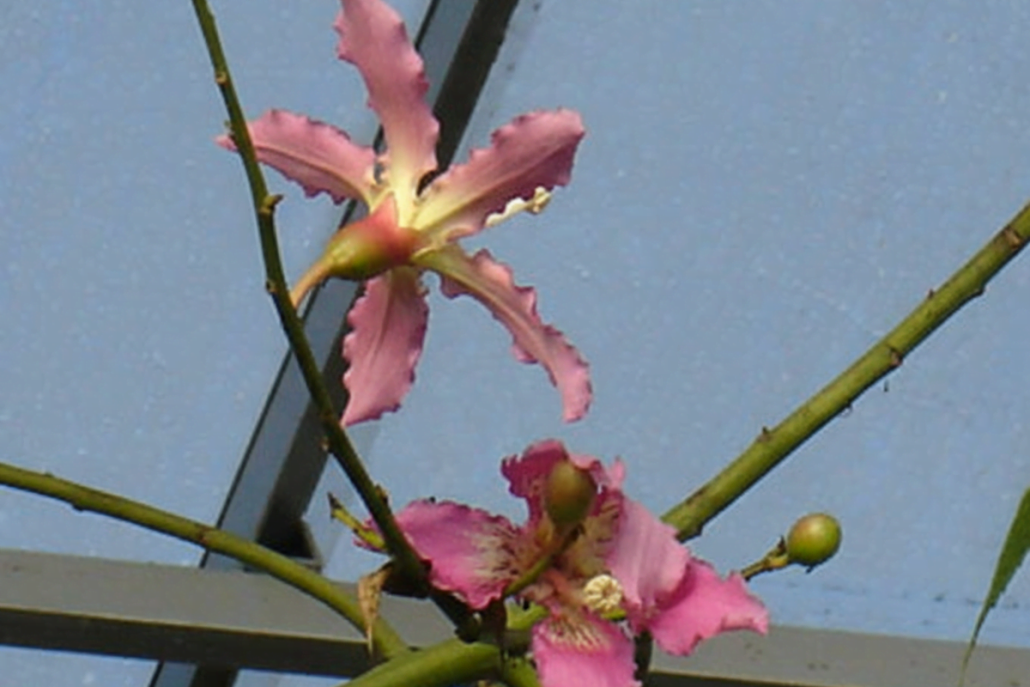
In autumn, it produces highly ornamental, hibiscus-like flowers. The blooms are initially rose-pink, gradually turning salmon-colored; the throats of the flowers are yellow or white. After flowering, pear-shaped green pods develop, later turning brown. These pods contain the silky fibers mentioned above.
Silk Floss Trees can reach up to 15 meters in height and form a beautiful canopy. They tolerate short periods of frost down to –6°C, making them suitable for landscaping in the southern Aegean and Mediterranean coastal regions of Türkiye. Large specimens can be seen at the Antalya Bus Terminal.
Chorisia speciosa prefers well-drained, humus-rich soil and full sun. Despite its thorny trunk, its green bark, striking silhouette, and highly attractive flowers make it an excellent choice in landscaping as a specimen tree, in groups, or as an avenue/roadside tree.