LOBELIA CARDINALIS – CARDINAL FLOWER
Are you looking for a plant to add vibrant red color to your garden, with striking red flowers and foliage, capable of withstanding temperatures down to –25°C? The answer is Lobelia cardinalis, the Cardinal Flower.
Lobelias belong to the Campanulaceae family, with around 370 species, mainly native to Africa and the Americas. Some species are frost-sensitive, while others thrive in very cold regions. Lobelias are widely used as ornamental plants: in hanging baskets, container arrangements, as border plants, in wildflower gardens, and in some cases, as waterside plants.
Lobelia cardinalis – Cardinal Flower
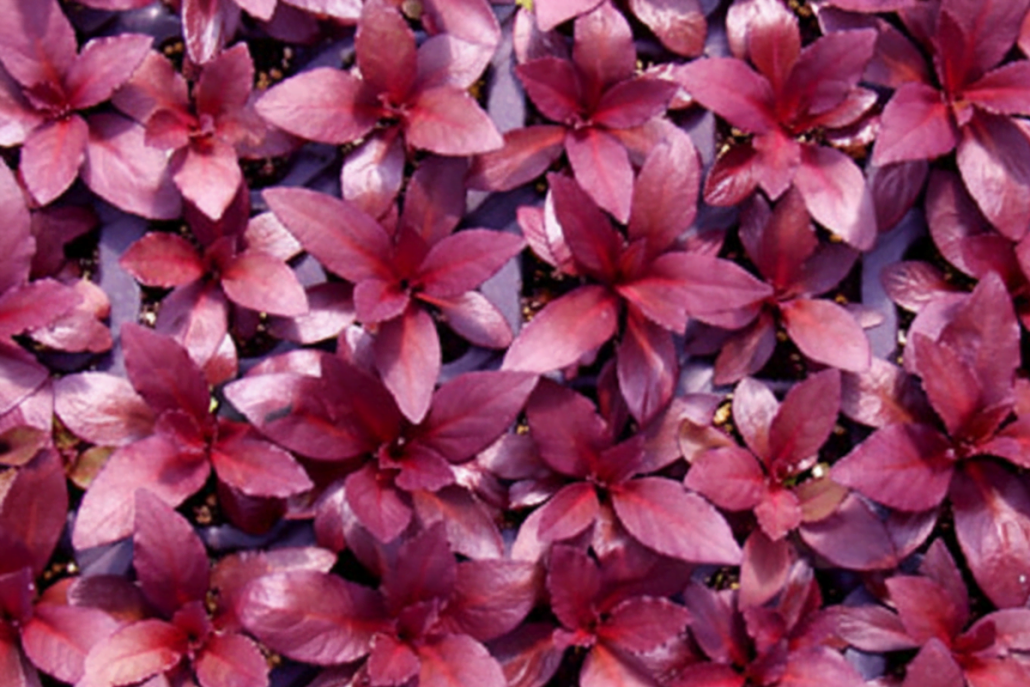
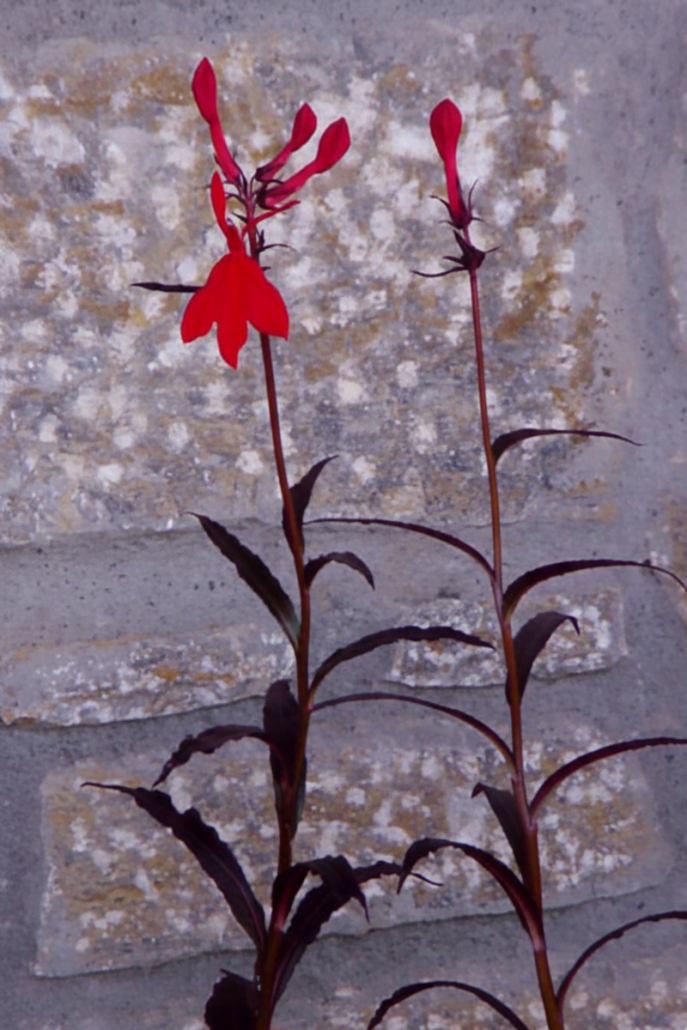
This species is native to a region stretching from Canada to the USA and Mexico, particularly growing along lakes, streams, and wetlands. The Cardinal Flower is a rhizomatous, perennial herb. Its exceptional long, oval, bright red leaves make it easily distinguishable from other lobelias. Depending on location, it can reach heights of 90–100 cm, although it usually stays shorter in full sun.
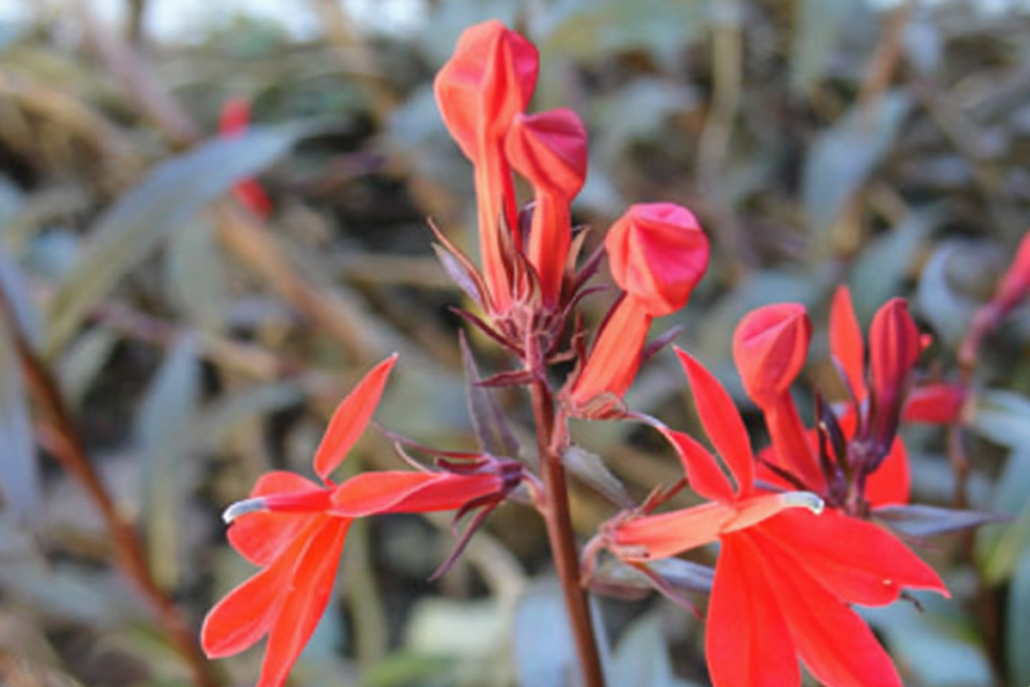
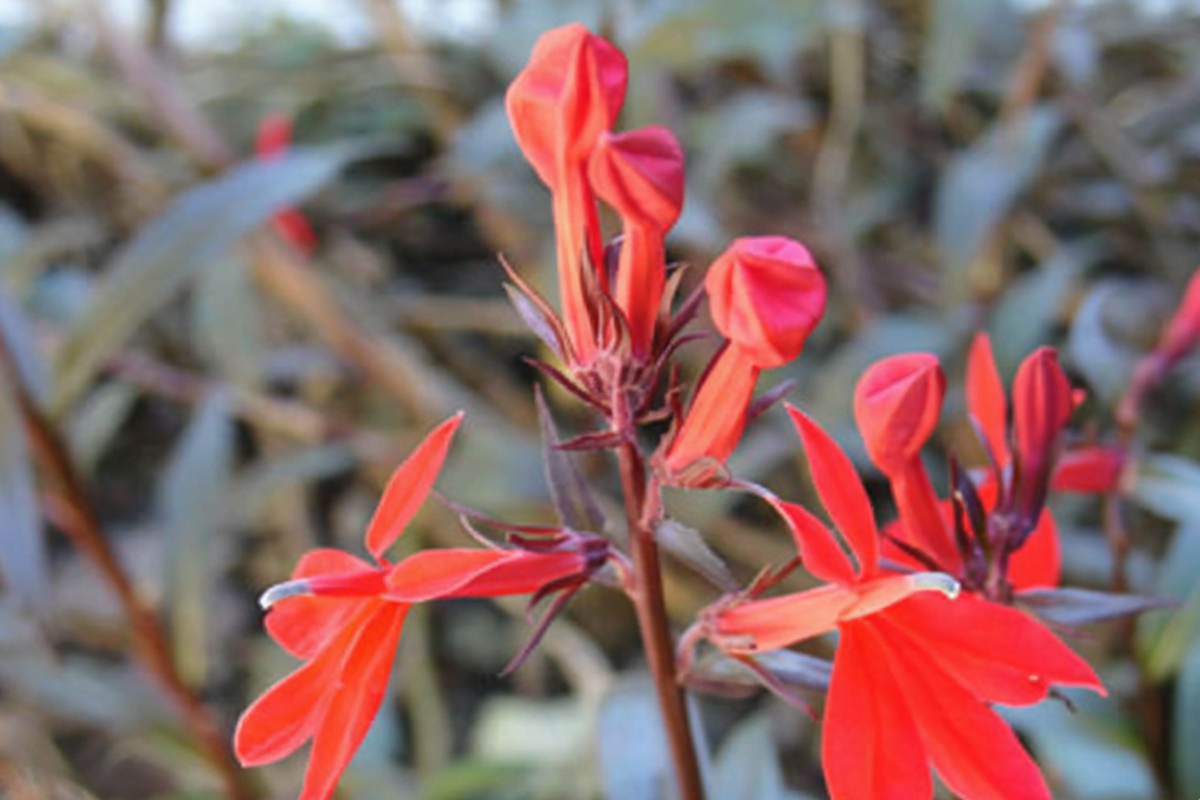
It is extremely frost-tolerant, surviving down to –25°C. In frost conditions, it may partially or fully lose its leaves, but once the weather warms, it regrows in a rosette form with multiple new shoots. Flowering usually begins in June and continues until October. The tubular, bright red flowers grow in clusters on long stems, each 3–5 cm long. After flowering, cutting the stems encourages the new shoots to bloom again, extending the flowering season until frost.
Propagation is done in spring by dividing the new shoots or sowing seeds. In the northern and western regions of Türkiye, it can be planted in full sun. In the Mediterranean coastal regions and Central Anatolia, the leaves may fade under full sun, so partial shade is recommended for better color retention.
The Cardinal Flower requires consistently moist soil and is ideal for water gardens, pond edges, and wetland areas. It pairs beautifully with variegated plants such as Phalaris arundinacea and Miscanthus sinensis, as well as with irises and Dietes for a striking contrast