NANDINA DOMESTICA – HEAVENLY BAMBOO
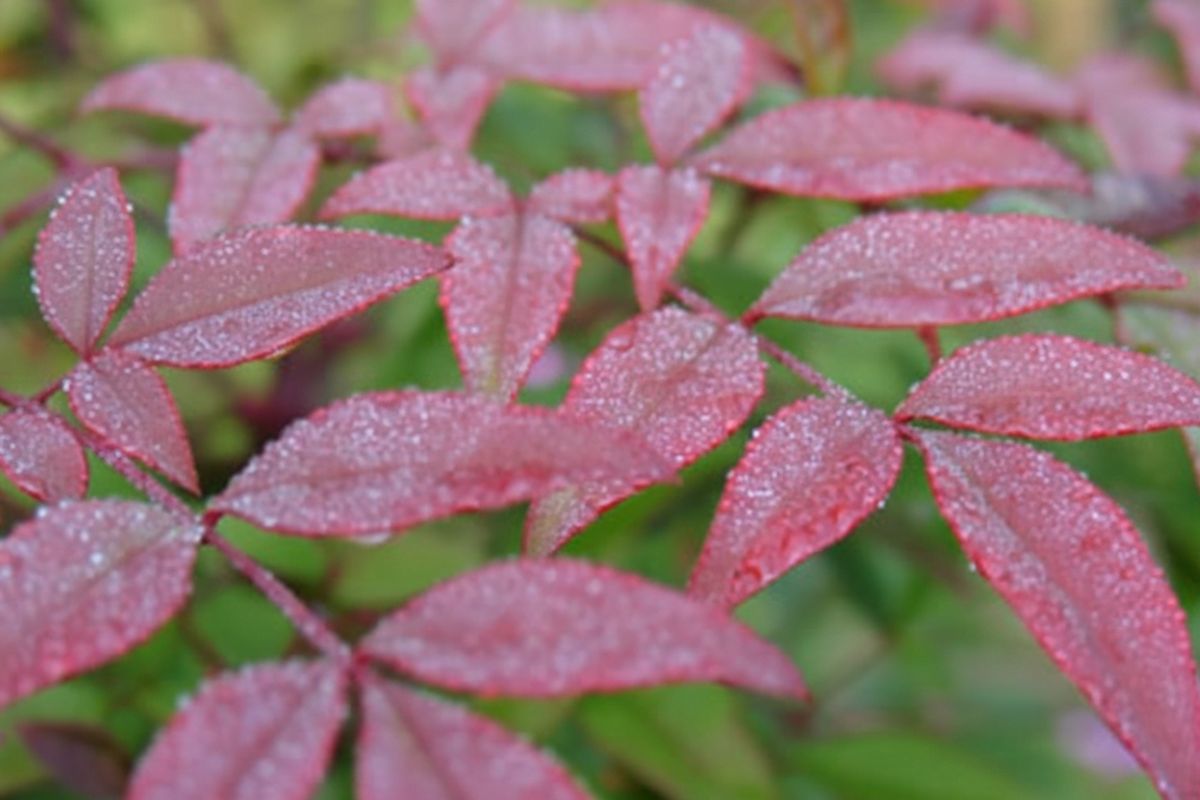
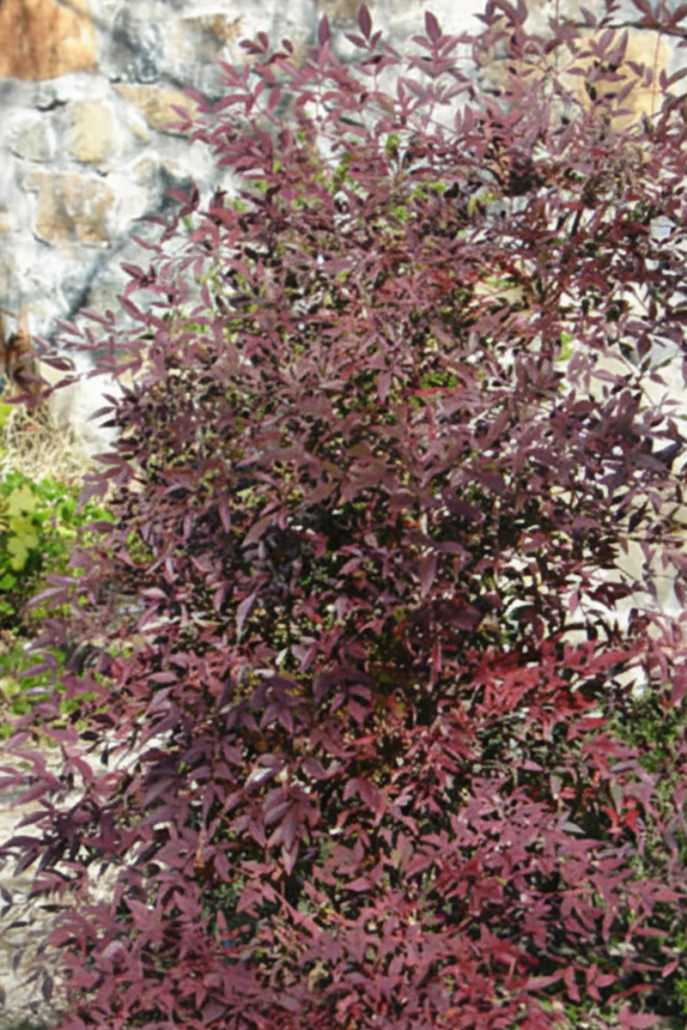
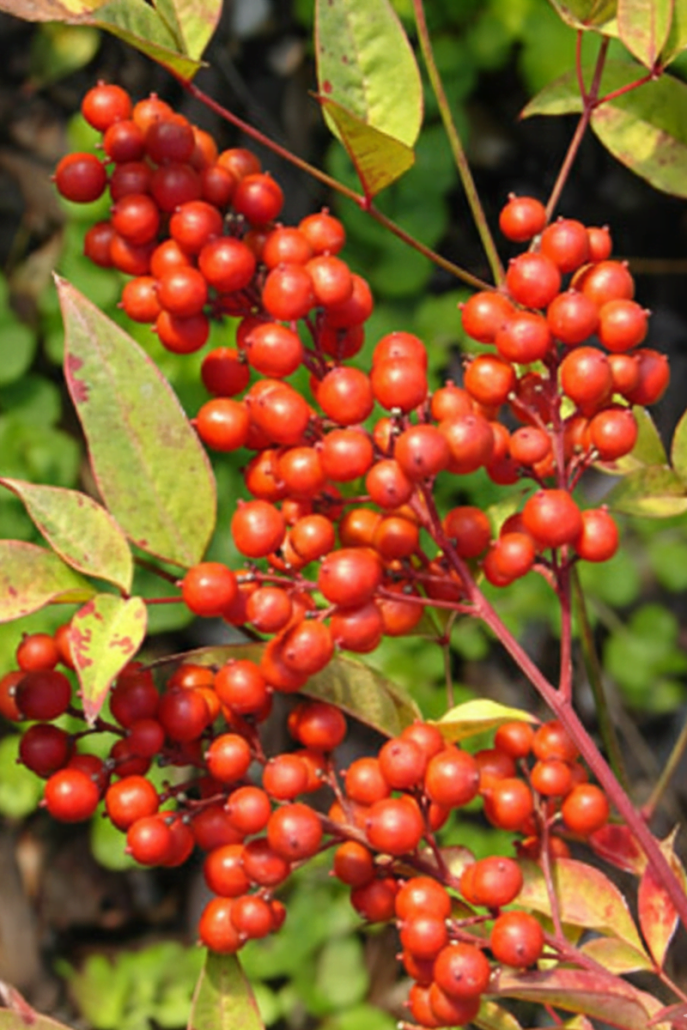
A large portion of the plants produced by Palmiyecenter consist of tropical and subtropical species. However, especially from our followers living in Istanbul, we receive requests to include cold-hardy species as well. Today’s featured plant, Heavenly Bamboo (Nandina domestica), is an attractive, shrub-form plant that can withstand cold down to –18°C, drawing attention with its red autumn–winter foliage and bright red berries.
Nandina is a genus of the Berberidaceae family, and Nandina domestica is the only species within this genus. Its native range includes India, China, and Japan. Although naturally evergreen, it may shed leaves under severe cold. The foliage is composed of tripinnate leaflets, and because these featherlike leaves resemble bamboo leaves, it is commonly called Heavenly Bamboo—despite having no botanical relation to true bamboos.
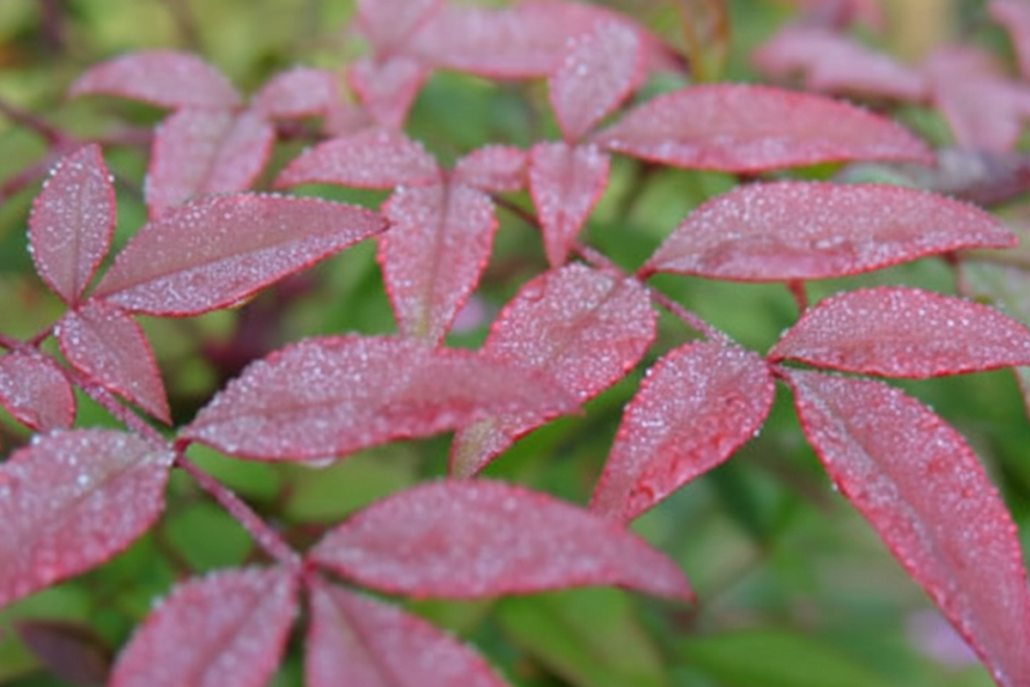
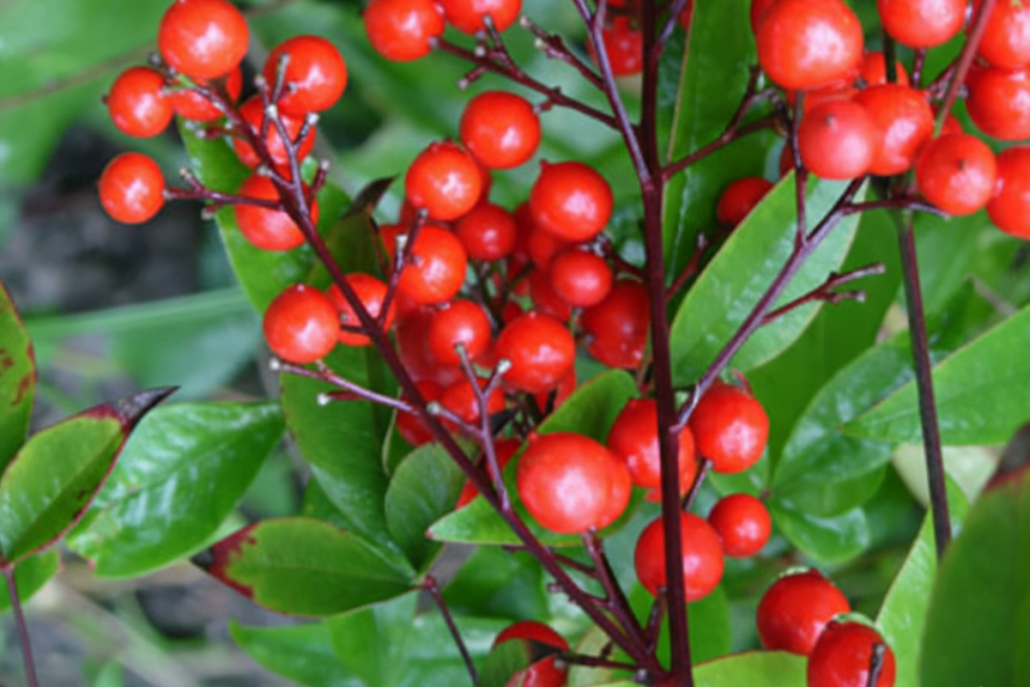
The plant can reach 200–250 cm in height and expands sideways through basal shoots formed along the stem. In late spring to early summer, it produces delicate, star-shaped white flowers (with yellow anthers) in panicle clusters. Its green fruits, 6–8 mm in diameter, turn bright red by late autumn and remain on the plant for long periods. The flowers attract bees, while the berries are appealing to many bird species. New leaves emerge red before turning green, and leaves that will shed in winter also turn red and persist on the plant for a long time.
Nandina is not highly demanding in terms of soil, though it prefers humus-rich, well-drained substrates. While mildly acidic soil is recommended, the specimens in our garden grow successfully even in alkaline conditions. It can be planted in full sun or partial shade.
Propagation is usually by seed. Due to the seeds’ cold stratification requirement, sowing in autumn or storing the seeds at +4°C for 4–6 weeks before planting is suitable. It can also be propagated with semi-hardwood cuttings taken in summer. More than 60 cultivars have been developed in Japan. One of the most popular, N. domestica ‘Fire Power’, is a dwarf and compact cultivar that grows up to 50 cm, with broad, glossy red foliage. Many cultivars are small and compact, but they are often less resistant to pests compared to the natural species.
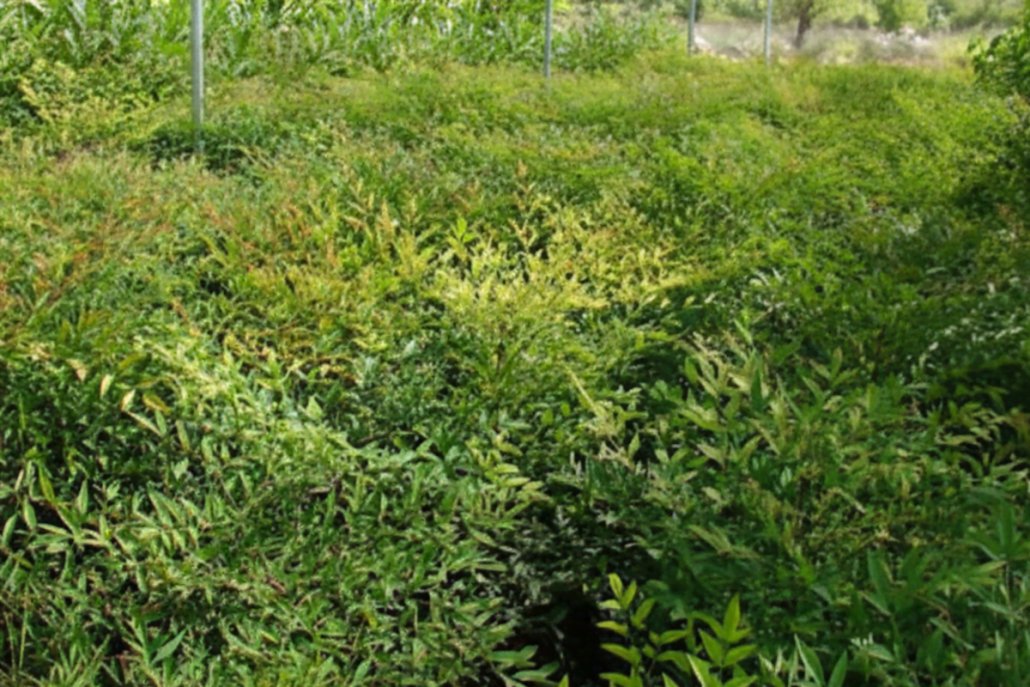
In landscaping, Nandina domestica is a versatile plant suitable for nearly any setting. Its leaves, flowers, and fruits provide year-round ornamental interest. Instead of solitary use, groupings of three, larger clusters, or single rows along pathways are recommended. Many landscape architects prefer the smaller compact cultivars, but the natural species can also be pruned and maintained at the desired height. Some botanical gardens even host specimens over 100 years old.