LIQUIDAMBAR ORIENTALIS – SWEETGUM TREE
While Palmiyecenter focuses on producing and promoting palms and tropical–subtropical plants that are not commonly known in our country, it also strives to protect, cultivate, and introduce into landscaping the natural and endemic species found in its region. It should not be forgotten that within our native flora, foreign plants—even attractive ones—may look out of place, and in some cases may become invasive, replacing natural vegetation.
In a pine forest, would you prefer to see a bougainvillea blooming beautifully under the pines, or the modest but rich-hearted Myrtle (Myrtus communis) with its glossy leaves, small flowers, small fruits, and remarkable ability to endure an entire summer without water—mentioned even in holy scriptures?
Unfortunately, native plants are not given the attention they deserve in landscaping projects. In the following introductions, you will also find Mediterranean and Anatolian species that are widely used in landscaping around the world.
Our plant of the month for October 2007 is one of Turkey’s endemic trees: the Sweetgum Tree (Liquidambar orientalis).
ANATOLIAN SWEETGUM TREE – Liquidambar orientalis
Sweetgum trees (Liquidambar spp.) belong to the Hamamelidaceae family and are deciduous trees native to temperate regions. They naturally occur in Turkey, Rhodes, East Asia, North America, and Mexico. The East Asian species Liquidambar acalycina and Liquidambar formosana are little known in Turkey. Numerous varieties of Liquidambar styraciflua, native to the United States and Mexico, have been developed and introduced into Turkey, mainly through Italy.
Contrary to the common belief that the Anatolian Sweetgum (Liquidambar orientalis) grows only along the coastal belt of Muğla province, it naturally occurs in the provinces of İzmir, Antalya, and Isparta as well. Outside of Turkey, it is found only in the northern part of the island of Rhodes. It is widespread around Marmaris, Köyceğiz, and Fethiye. The Sweetgum Forest in Sütçüler (Isparta) is officially designated as a Nature Conservation Area. According to the Ministry of Forestry, Turkey hosts 1,348 hectares of pure sweetgum forest.
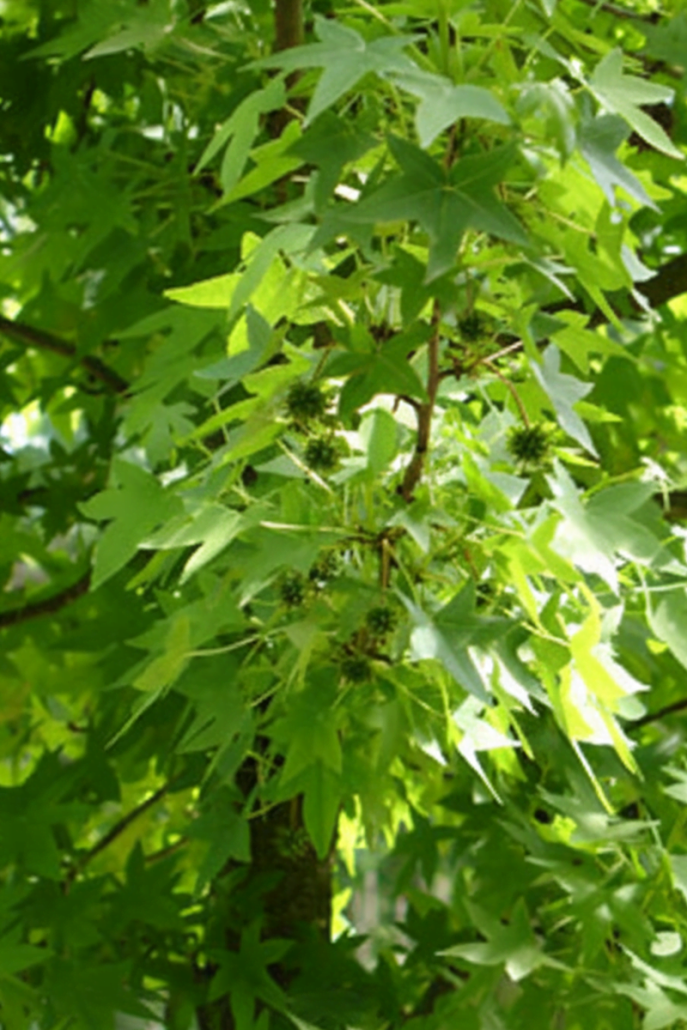
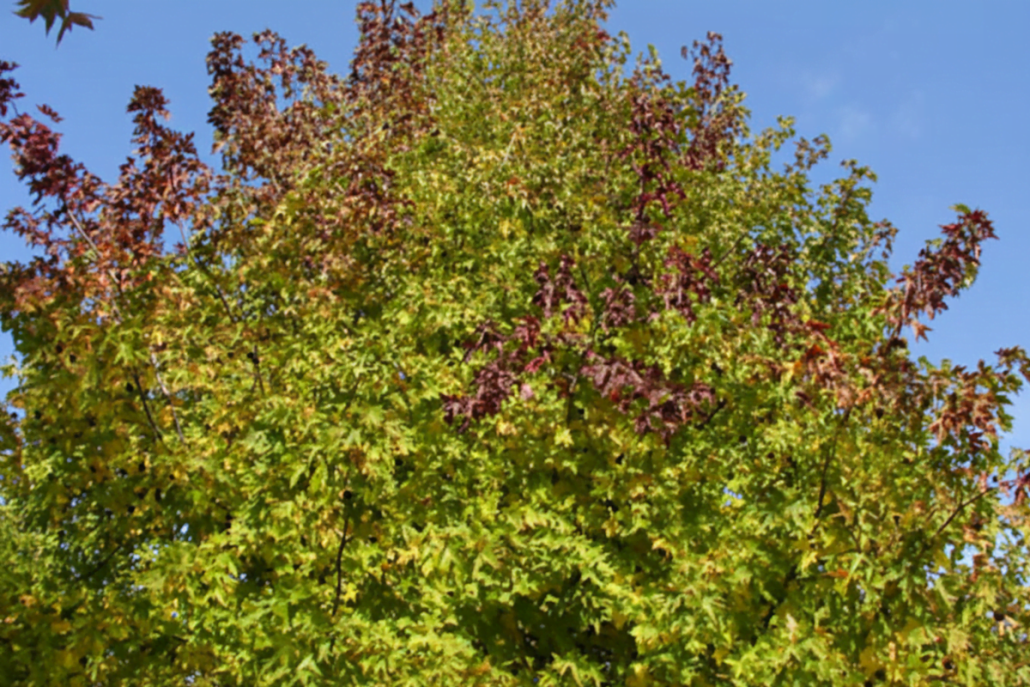
Reaching an average height of 15–20 meters, the Sweetgum is a thick-branched, broad-crowned tree that resembles a plane tree at first glance. As it ages, the bark darkens and becomes deeply furrowed. Its leaves, attached by long petioles, typically have five lobes. Its spherical fruits are 2–4 cm in diameter, composed of many capsules and containing numerous seeds. The aromatic balsam extracted from the trunk is used in perfumery and pharmaceuticals. Locally it is known as “Günlük Ağacı,” and in translated foreign sources it is often referred to as “Amber Tree.” It is primarily cultivated for its ornamental foliage: its bright green spring and summer leaves turn yellow, orange, and red in autumn.
The Anatolian Sweetgum prefers humus-rich, slightly acidic soils, though it can also adapt to alkaline conditions. It requires abundant moisture and can even grow in standing water. However, it cannot withstand prolonged drought. It thrives in full sun or partial shade. Propagation is typically by seed, though cuttings are also possible.
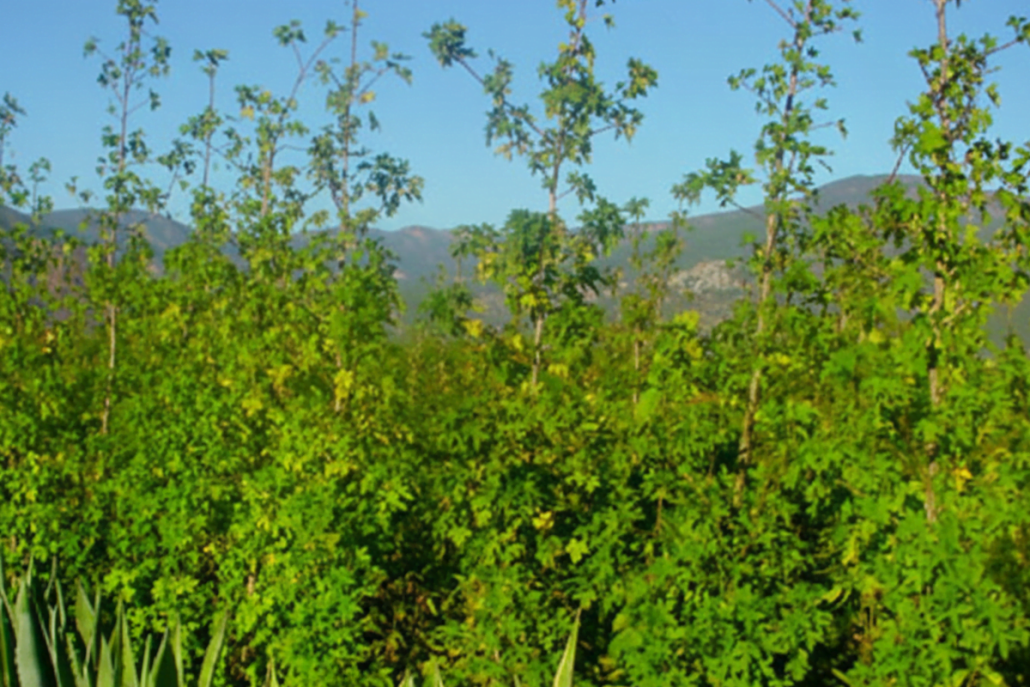
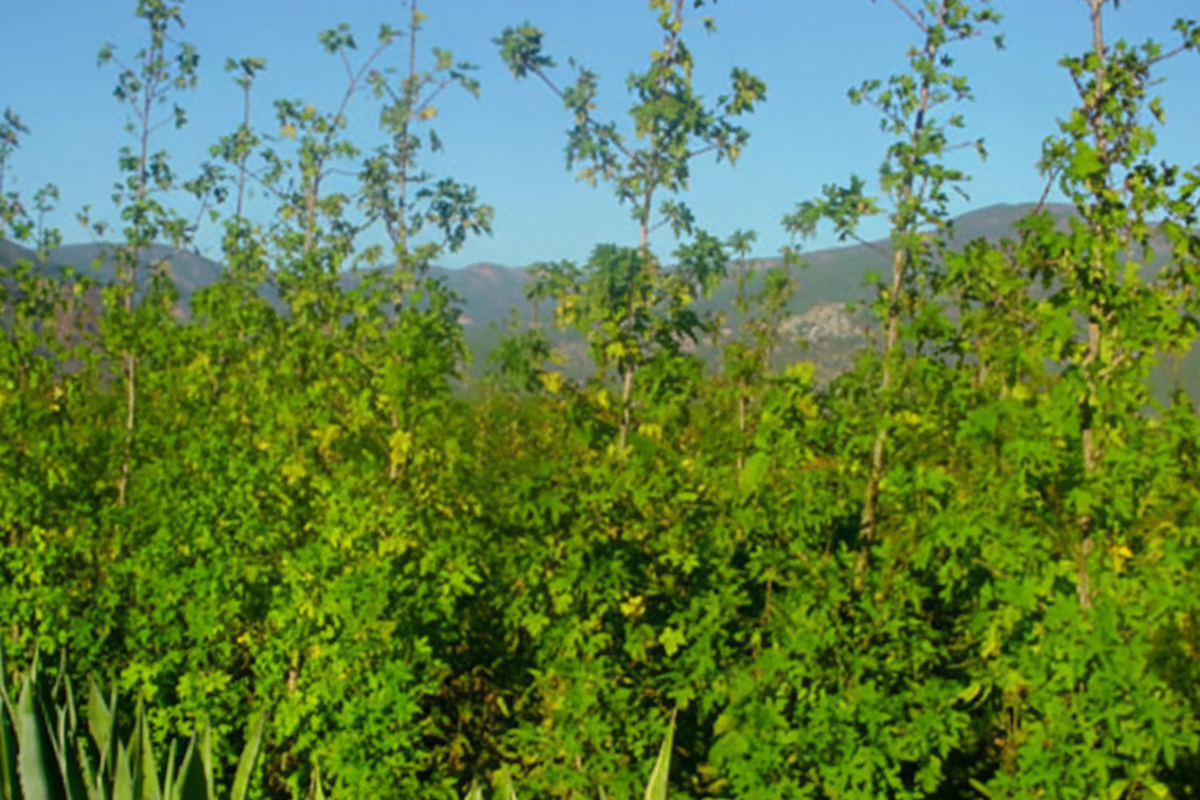
In landscaping, it can be used as a solitary specimen or in groups in green areas. If lower branches are left unpruned, it develops a more attractive natural shape, but when used as a shade tree, lower branches may be pruned.