PHILODENDRON BIPINNATIFIDUM – PHILODENDRON SELLOUM – SPLIT LEAF PHILODENDRON-TREE PHILODENDRON-ELEPHANT EAR PHILODENDRON
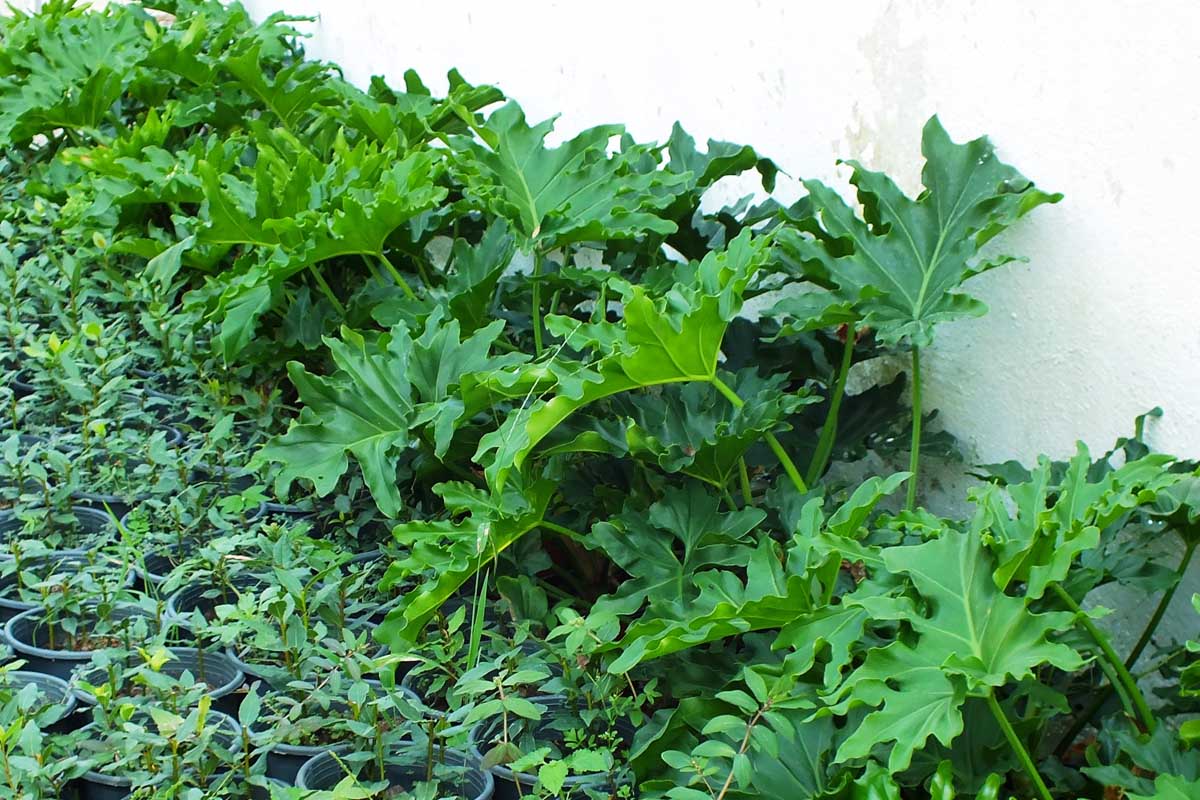
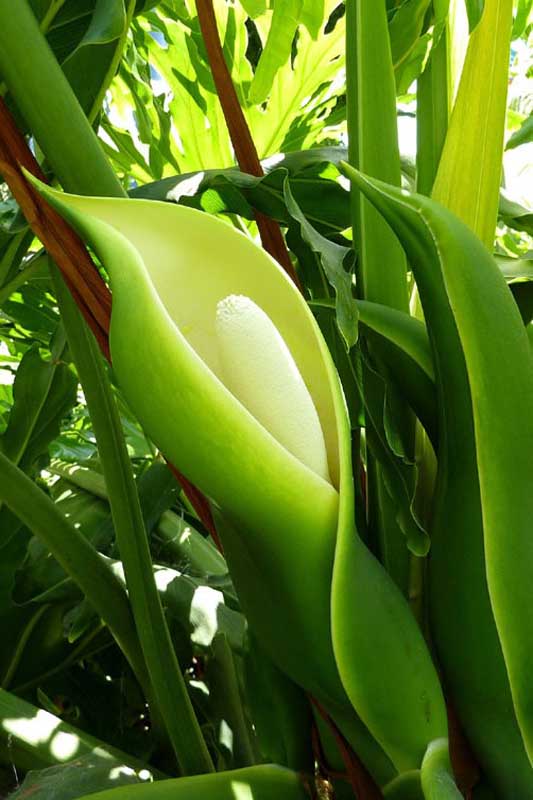
Philodendron is a large genus of flowering plants in the Araceae family, consisting of about 900 species. Compared to other genera of the family Araceae, philodendrons have an extremely diverse array of growth methods. The habits of growth can be epiphytic, hemiepiphytic, or rarely terrestrially. Philodendrons originate in tropical USA, the West Indies and South America, and are popular for their foliage and dramatically lobed leaves. Many are climbers, and do well as indoor plants in brightly lit positions. All Philodendron species are aroids. An aroid is a plant that reproduces through the production of an inflorescence and the major parts of that inflorescence are known as a spathe and spadix. The spathe is nothing more than a modified leaf whose purpose is to protect the spadix at its center. Meconostigma species are members of a group known as being arborescent (tree-like) due to their apparent “trunk”. As a result collectors often call Meconostigma species “Tree Philodendron“.
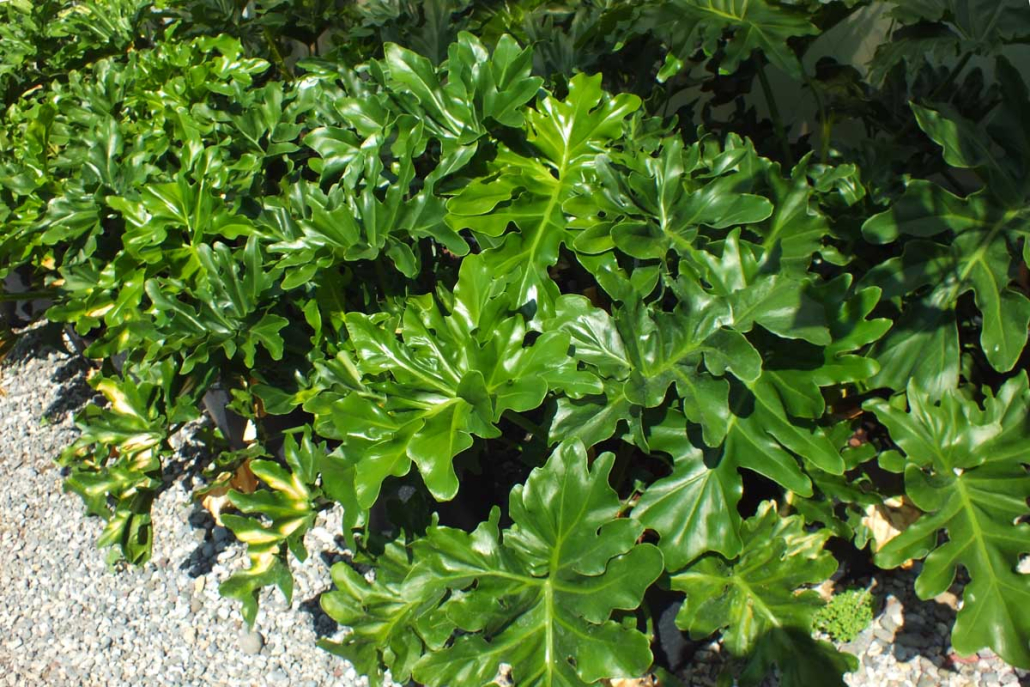
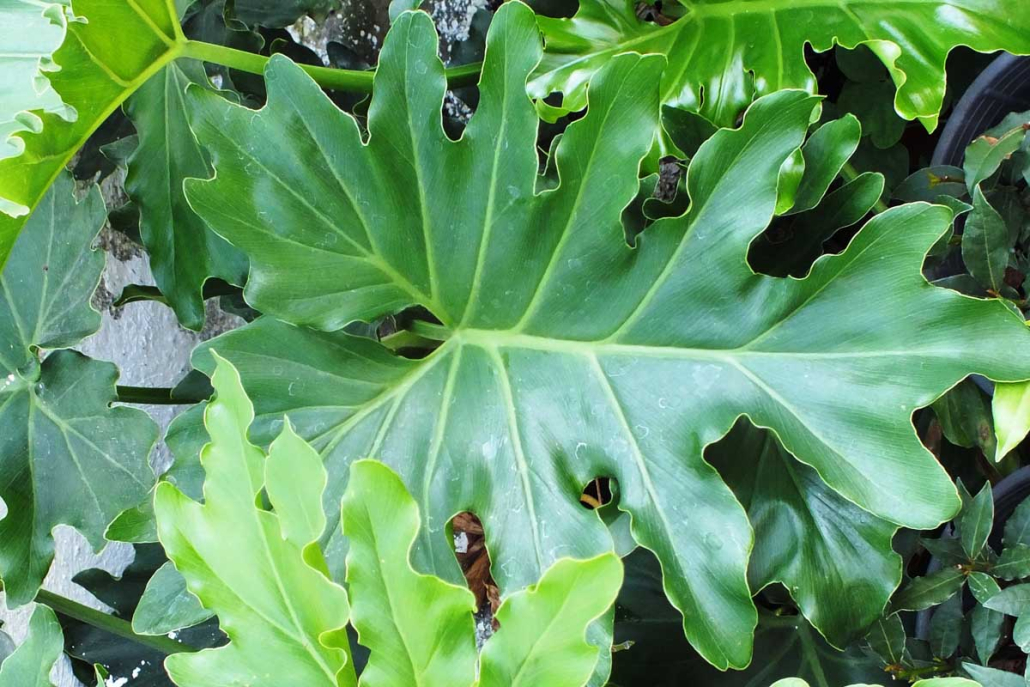
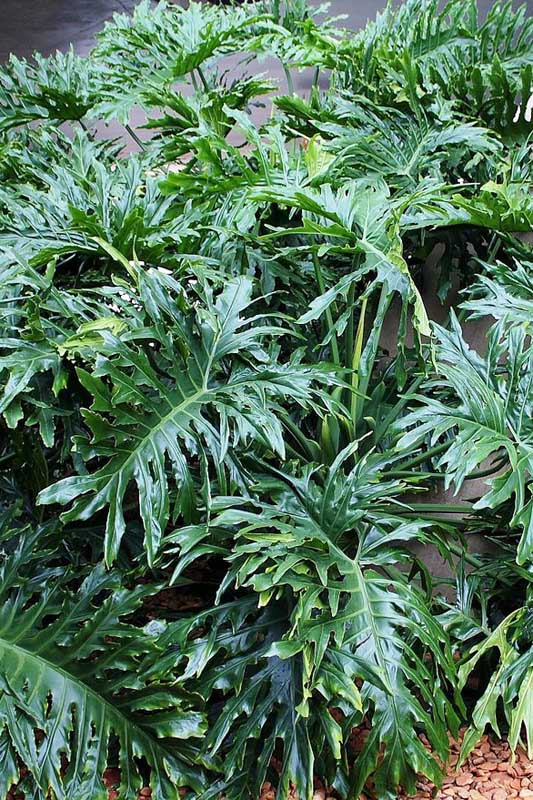
Philodendron bipinnatifidum is the most often encountered member of the “Tree Philodendrons”, or technically, the Meconostigma group within the genus Philodendron. This tropical plant is native to Paraguay, Brazil, Argentina and Bolivia. The Tree Philodendron is an attractive, large evergreen shrub with leaves up to 90 cm long with many lobes. Older plants produce cup-like, petalless flowers. The spathe of Philodendron bipinnatifidum which basically green with a white interior. Although The Tree Philodendron is belong to “Tree Philodendron“ group, it is actually hemiepiphitic. A hemiepiphyte is a plant that begins life in the ground and climbs a supporting tree. Despite the belief Meconostigma don’t climb, Philodendron bipinnatifidum do in fact climb up to 30 meters.
Philodendron bipinnatifidum one of the easiest to grow of all the species. It can also grow indoors but needed large place. They can be grown in shade and in sun, but its best to give it a humid and protected location for the best all around appearance and health. As a rain forest inhabitant, the plant won’t tolerate more than a very light freeze. Usually even if a trunk is wiped out by a freeze, the plant comes back from the ground with multiple suckers.
Use in landscape: Philodendron bipinnatifidum It has been a mainstay in tropical landscapes and indoor plantings, for long years. The plant is quite tropical looking, relatively easy to grow and large. It can be grown in the garden in tropical and subtropical climate areas and also in warm temperate coastal areas. In the colder parts of world, it’s best grown as an indoor or patio plant under high light conditions. Philodendrons also make excellent houseplants, provided that if there is enough space to accommodate their size. The Tree Philodendron instantly adds the look of the rainforest to a garden. The plant may be planting at the base of trees, where it can climb by wrapping its rope-like aerial roots around tree trunks and branches.