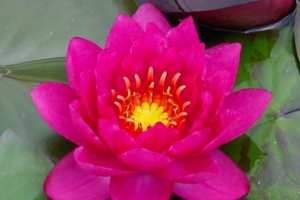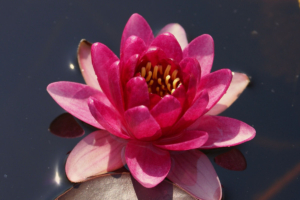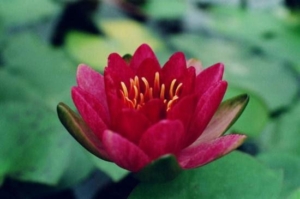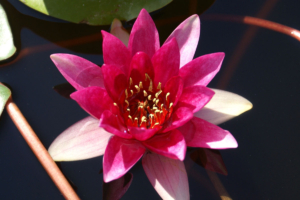
Dream Garden


The construction of water gardens started in 1992 with the small lake. After 3 years of work, the small lake and its island were completed. This has also facilitated the ground water level-swamp area management.
In February of 2004 construction of the 19, 250 cm diameter ornamental ponds started and completed in June 2004. This area is called dream garden and contains 17 varieties of water lilies as well as various water and swamp plants. A rectangular water plants pond was constructed in 24 hours on the 7th of June 2005.
In April 2006 a small Grass Garden was added to Water Gardens complex.
On the 3rd of August 2006, a tiny water fall was completed on the south side of natural swamp plants area.
WATER LILIES – QUEENS OF THE WATER
Just as palms are described as the queens of the plant world, water lilies are also known as the “Water Queens” as they are among the most beautiful of aquatic plants. Water lilies include both tropical and cold-resistant species. Tropical types are further divided into night-blooming and day-blooming varieties. In contrast to many natural species, more showy hybrids that take up less space, produce more abundant flowers, and have longer-lasting blooms are often preferred.
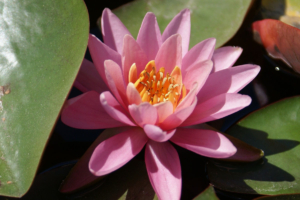
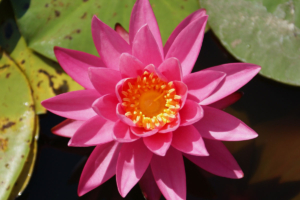
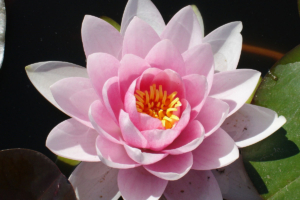
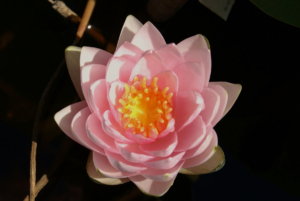
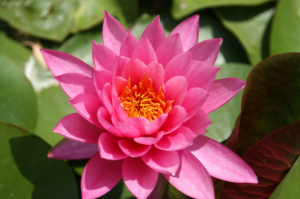
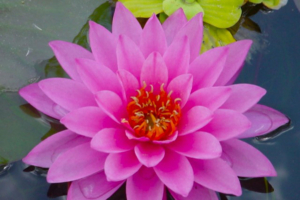
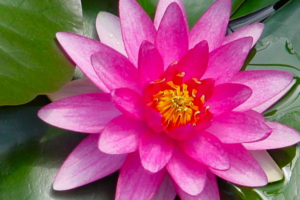
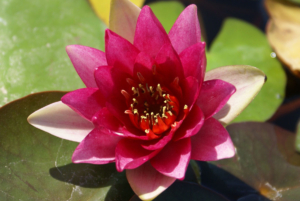
Our center mainly produces water lilies that are suitable for cold conditions and the climate of our country, focusing on some of the most popular and highest-quality hybrid varieties in the world. In this section, we would like to introduce some of the hybrids we cultivate with our own photographs.
Planting methods for water lilies vary depending on the rhizome type. Therefore, the rhizome characteristics of all the species introduced below are specified. These characteristics must be carefully considered during planting.
Odorata and Tuberosa: Rhizomes can be planted at angles ranging from 40 degrees to a horizontal position.
Marliac: Can be planted between a 70-degree angle and horizontal.
Pineapple: Must be planted vertically.
In all rhizomes, the growing tip should be at or just below the soil surface.
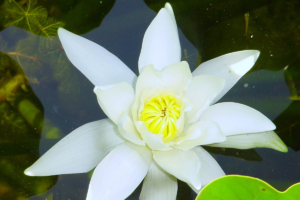
NYMPHAE ALBA
It is a cold-resistant species commonly found naturally in lakes and slow-flowing streams across Europe and Asia. In our country, it is widespread in the Mediterranean region. It is a striking species with pure white flowers and a yellow center. As it grows quickly and tends to rise above the water surface, it is not suitable for small ornamental ponds. It requires water depths of 40–90 cm.
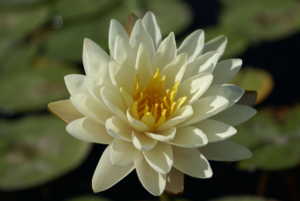
DENVER
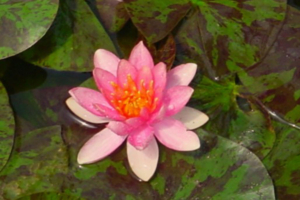
Its flowers are cream-colored, medium-sized, and multi-layered. It produces abundant blooms, and the flowers have a light fragrance. Its leaves have brown spots. Its rhizomes are of the Marliac type.
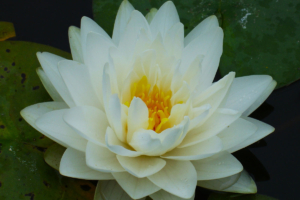
GONNORE
It is a very showy, double-flowered variety. Resembling a peony, it stands out with its large, snow-white flowers and yellow pollen sacs in the center. Its large, glossy green decorative leaves do not spread far from the plant, and together with its long-lasting blooms, it creates an attractive appearance. This cultivar is also known as “Crystal White.” In suitable conditions, the plant can reach a diameter of up to 150 cm. The required water depth is 30–70 cm. Its rhizomes are of the Marliac type.
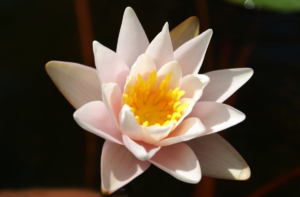
JERUSALEM DAWN
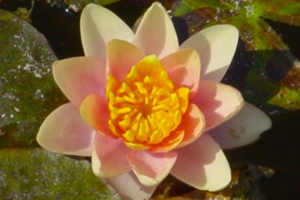
It is a cultivar developed by Hazorea Aquatic. Its star-shaped flowers are medium-sized, and on the first day of blooming the flower edges have a slight pinkish tone. It is a highly floriferous and fragrant variety that is also shade-tolerant. Its leaves have light spots. Its rhizomes are of the Marliac type.
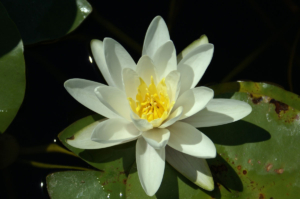
VİRGİNALİS
Its large snow-white flowers are star-shaped. The flowers stand upright above the water surface. It blooms very abundantly and has a light fragrance. New leaves are dark red. Its rhizomes are of the Marliac type.
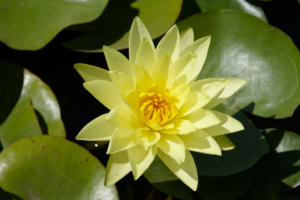
JOEY TOMACİK
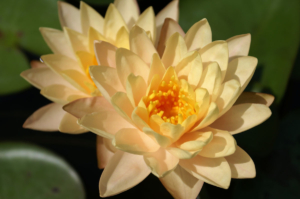
It has large, star-shaped, deep yellow flowers. The flowers stand upright above the water surface and have a light fragrance. It is a profusely blooming variety. Its leaves show slight spotting. Its rhizomes are of the Marliac type.
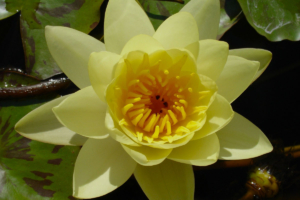
MARLİACEA CHROMATELLA
Its canary-yellow flowers are medium-sized and have a distinct fragrance. It is a profusely blooming variety. Its leaves show chestnut-colored spots. It requires a water depth of 40–70 cm. Its rhizomes are of the Marliac type.
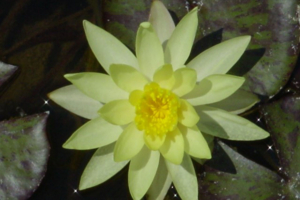
ODERATA ”SULPHUREA”
It is a small variety with large, star-shaped, canary-yellow flowers that have a light fragrance. Its leaves are small and have dark spots. A water depth of 30 cm is sufficient. Its rhizomes are of the Odorata–Tuberosa type.