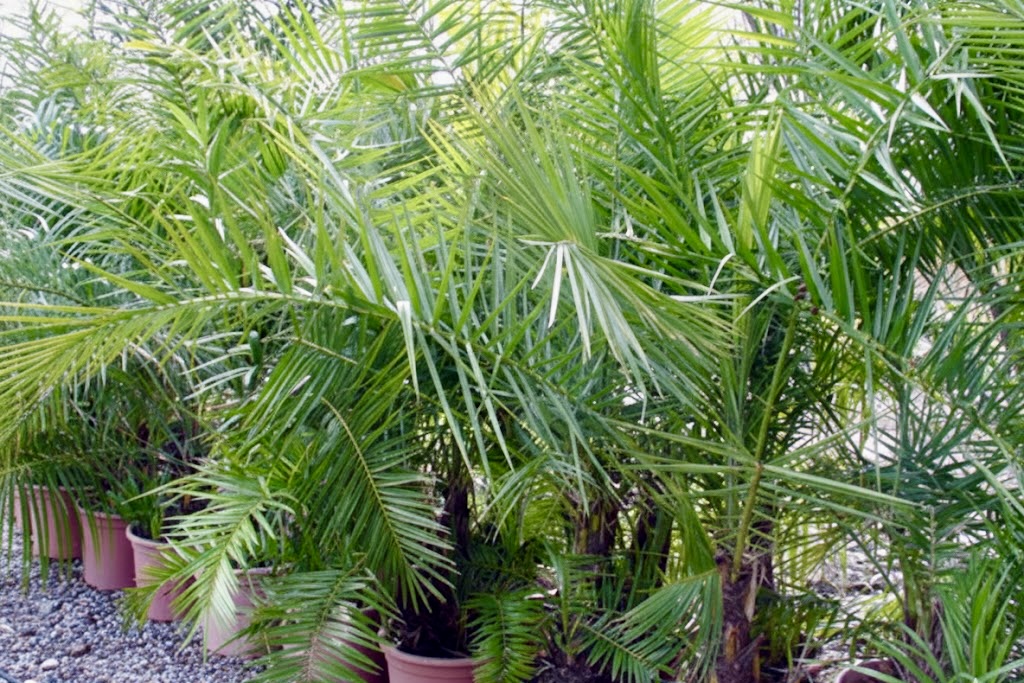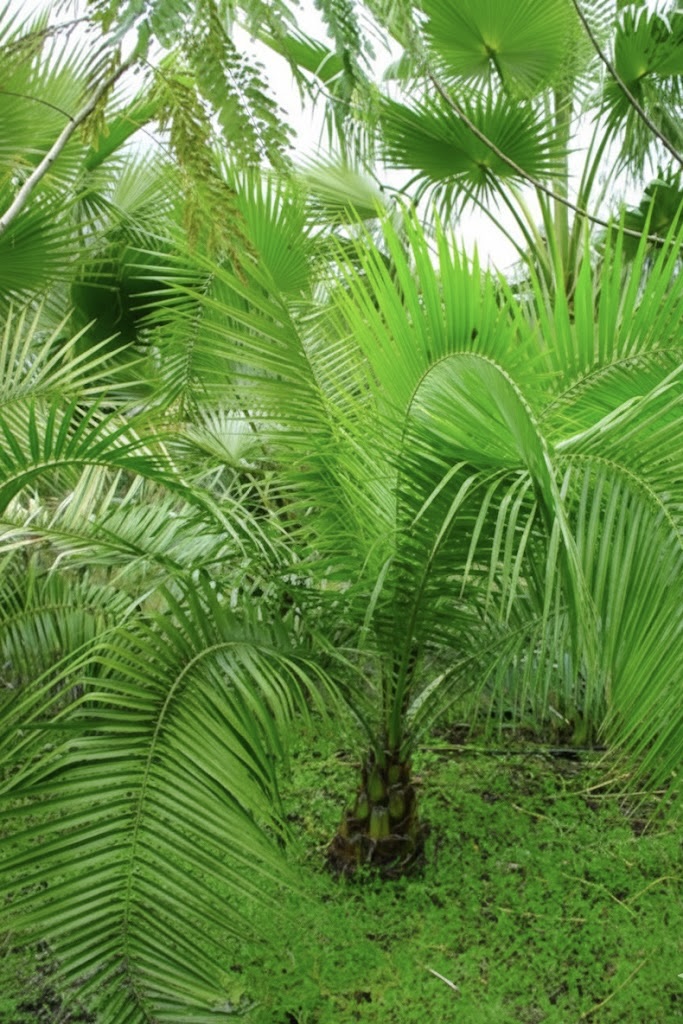
PHOENİX RECLİNATA – SENEGAL DATE PALM
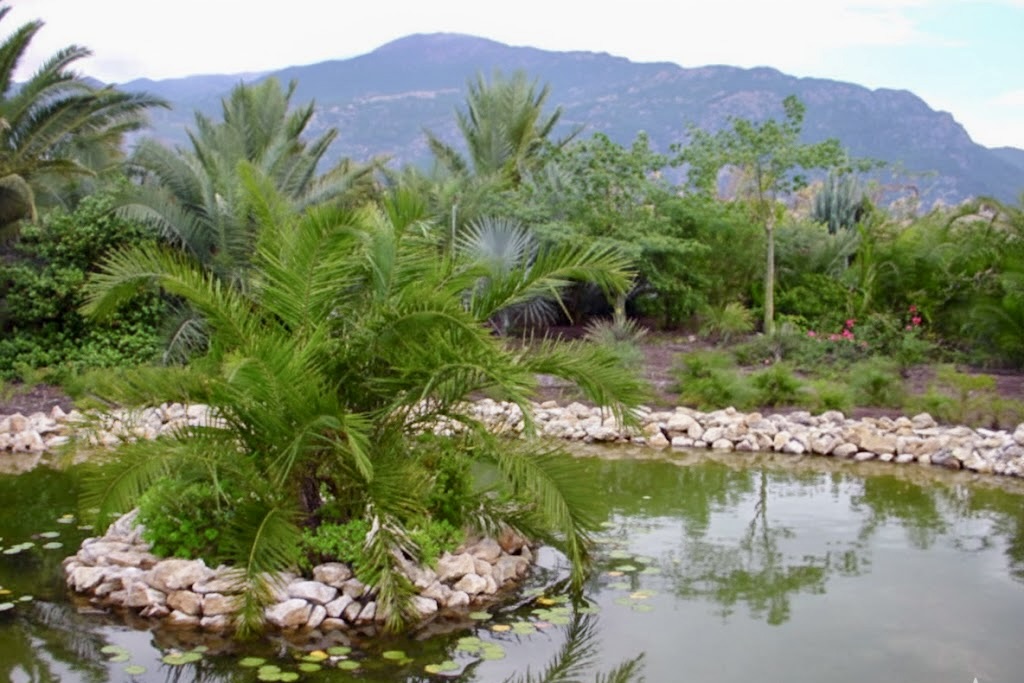
Native to tropical Africa and Madagascar, Phoenix reclinata is typically found along riverbanks or near lakes and coastal areas. It can also occur at elevations up to 3,000 meters. Compared to other date palms, it is distinguished by its soft, elegant, slender, downward-hanging, glossy green leaves, making it highly attractive and frequently used in landscaping in Europe and the Americas.
This species is clumping, producing multiple stems. Individual trunks reach up to 10 m in height with a diameter of approximately 12 cm. Offshoots emerging from the main trunk grow obliquely outward, optimizing light capture while creating an aesthetically pleasing appearance.
Phoenix reclinata was first propagated in Turkey by the Palm Center. It flowers and sets seed at an earlier age compared to other date palms. Currently, the Palm Center markets both seeds and seedlings derived from its own cultivated Senegal Date Palms.
Despite its tropical African origin, the species is tolerant of cold and frost, making it suitable for outdoor landscaping in temperate climates. According to the Palm Center’s observations, leaves of unprotected plants may suffer damage at -4°C; however, new foliage emerges in spring.
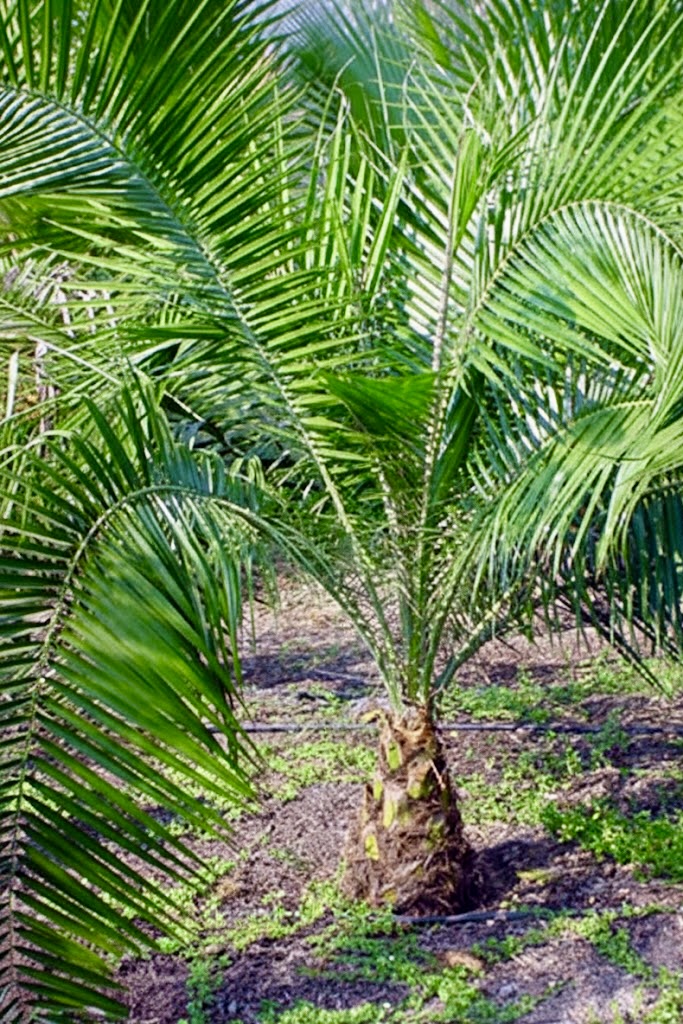
Mountain Date Palm – Phoenix rupicola: Native to India, Phoenix rupicola is noted for having some of the most aesthetically attractive leaves among Phoenixspecies, second only to P. roebelenii. The single trunk reaches 25 cm in diameter and up to 8 m in height. Leaves are glossy green, up to 3 m long, initially held horizontally at the crown, then arching downward with a slight twist, giving the palm a distinctive and elegant appearance.
Fruits are initially bright yellow, approximately 2 cm long, and turn dark red upon maturity. Phoenix rupicola thrives in tropical and warm climates. While generally not used indoors, it can be cultivated inside if desired. Observations at the Palm Center indicate that leaf tips may suffer frost damage at -4°C, similar to Phoenix reclinata, but new leaves emerge in spring to replace damaged foliage.