EURYOPS VIRGINEUS – HONEY EURYOPS
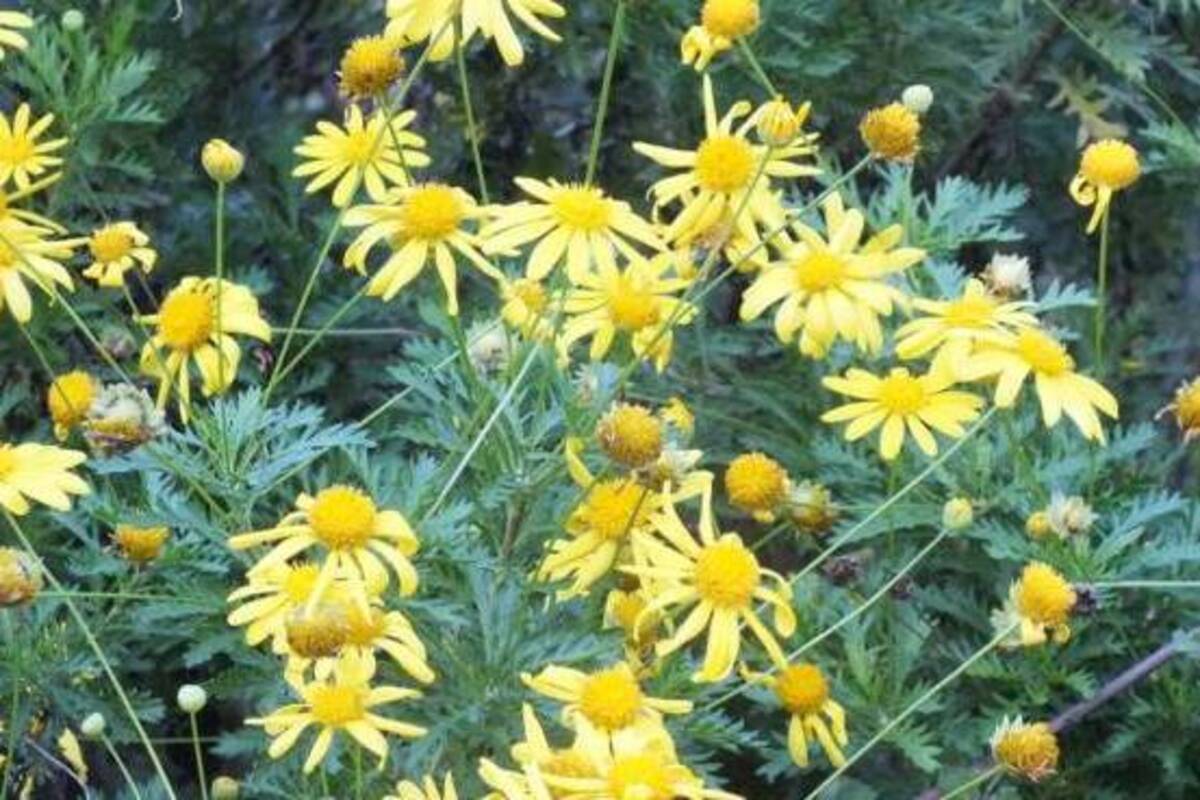
Euryops, belonging to the Asteraceae/Compositae family, includes approximately 100 species. These can be evergreen, shrub-like, annual, or perennial. Naturally, they are found in the rocky areas of South Africa and the Arabian Peninsula. They are frost-tolerant and have daisy-like flowers.
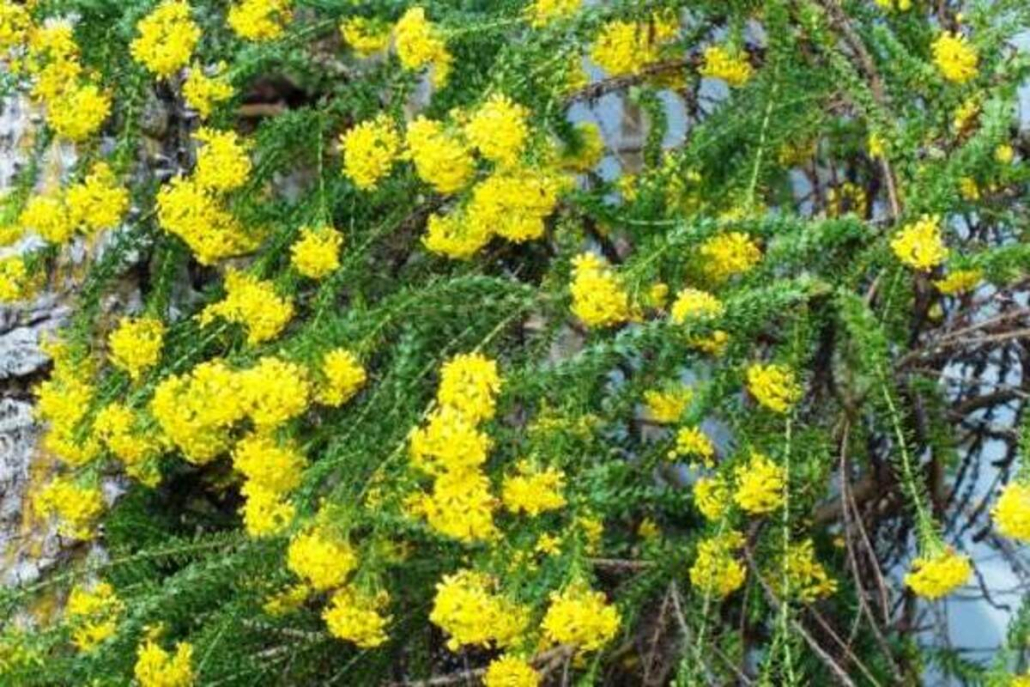
Honey Euryops (Euryops virgineus) is an endemic plant of South Africa. It naturally grows on sandy slopes and calcareous soils. Our plant, which can reach 1.5 m in height, grows rapidly. At the tips of its shoots, it produces clusters of yellow flowers, 8–10 mm in diameter, blooming from late winter to early spring. The dense, bright yellow flowers covering the plant are highly noticeable even from a distance. They add vibrancy and color to the cloudy winter atmosphere.
Due to its rapid growth, it is suitable for use in newly established gardens. When planted in the back rows behind shorter flowering plants, it creates a visually stunning effect.
The plant has small, dark green leaves. Its tiny fruits are 1.8–2.5 mm, oval, slightly angular, and yellow-brown. Its striking flowers frequently attract insects and honeybees, aiding in pollination. For optimal growth, it requires adequate sunlight and water. It is frost- and drought-tolerant but sensitive to strong winds.
After flowering, heavy pruning is necessary for regular growth. The plant can be propagated from seeds or cuttings; propagation from cuttings results in faster flowering.
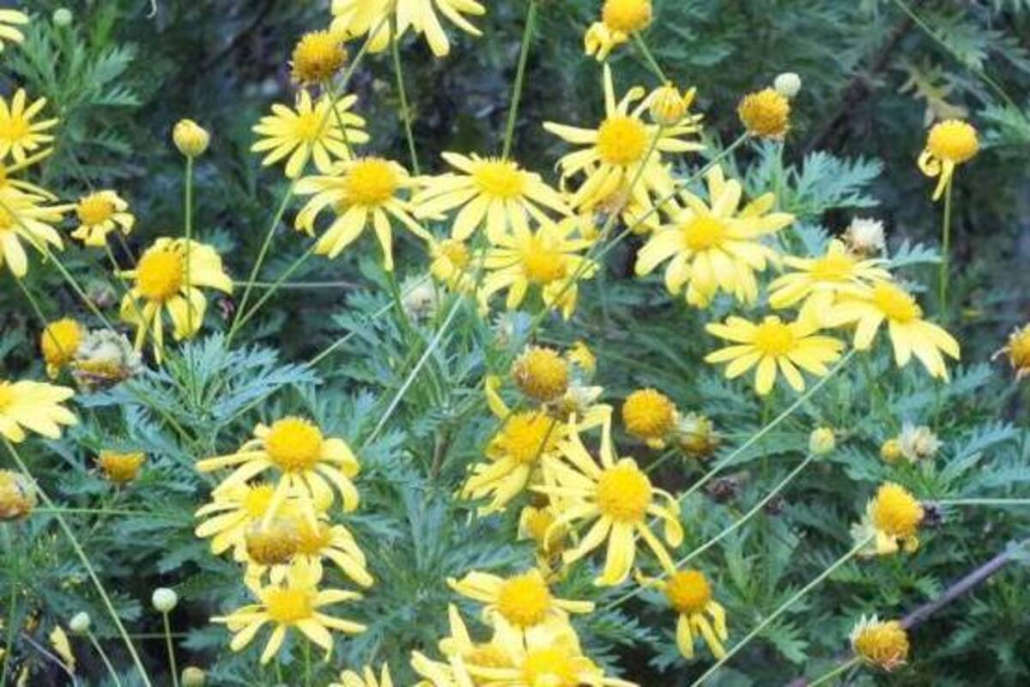
At our center, we also offer Euryops pectinatus, which has larger leaves and flowers. Its cultivation requirements and propagation methods are the same as Honey Euryops.