PHOENIX RECLINATA – SENEGAL DATE PALM
Date palms (Phoenix) are native to the Old World. They are widely distributed across Africa, Anatolia (Crete, Datça, Bodrum), and Asia. Generally, they are hardy, ornamental palms with feathery fronds. Among the 17 species, a common feature is that the leaflets on both sides of the petiole grow upwards in a V-shape, with those near the trunk forming spine-like structures. All Phoenix species have separate male and female plants.
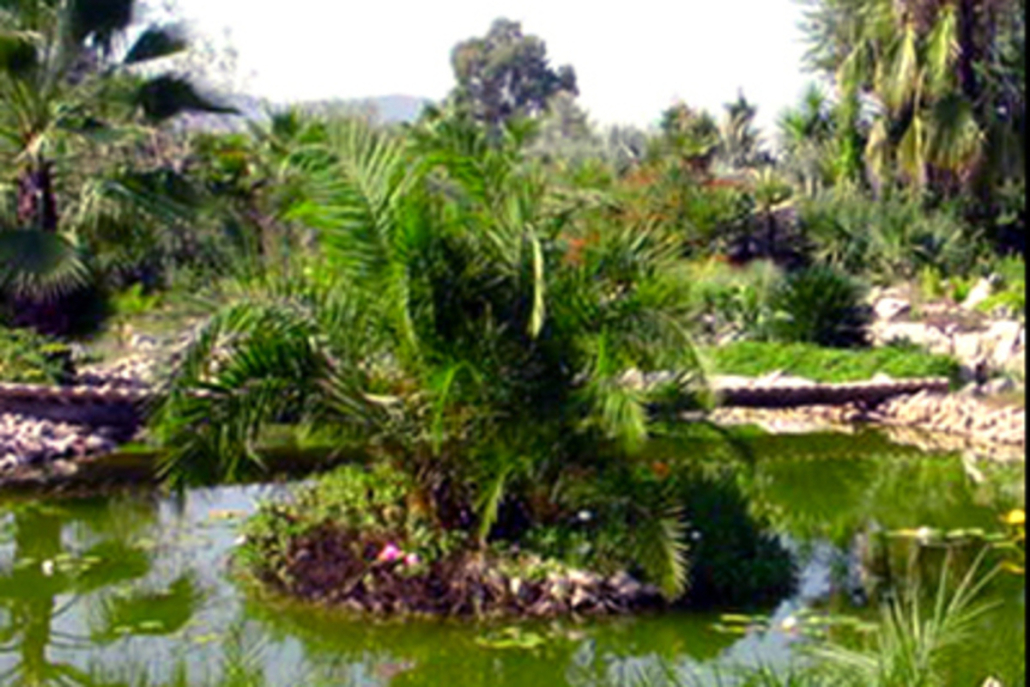
Phoenix reclinata (Senegal Date Palm) originates from Africa and Madagascar. In its natural habitat, it grows along water edges and wetlands. It tolerates groundwater and light frost. At our center, Senegal Date Palms whose leaves were damaged at -3°C remained alive up to -8°C. Young plants should be protected from frost.
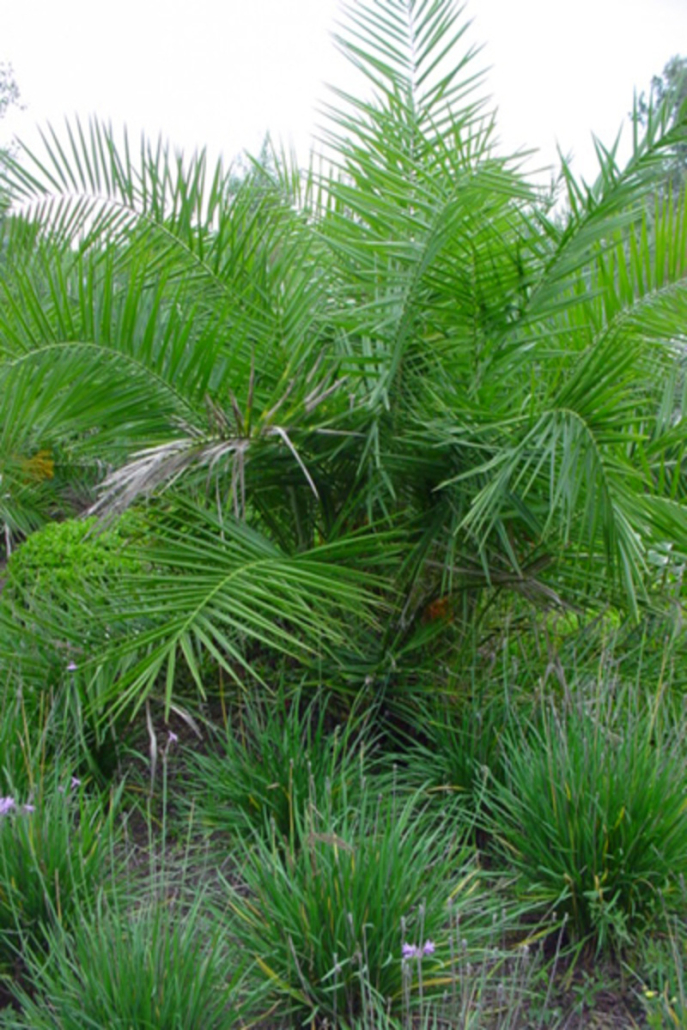
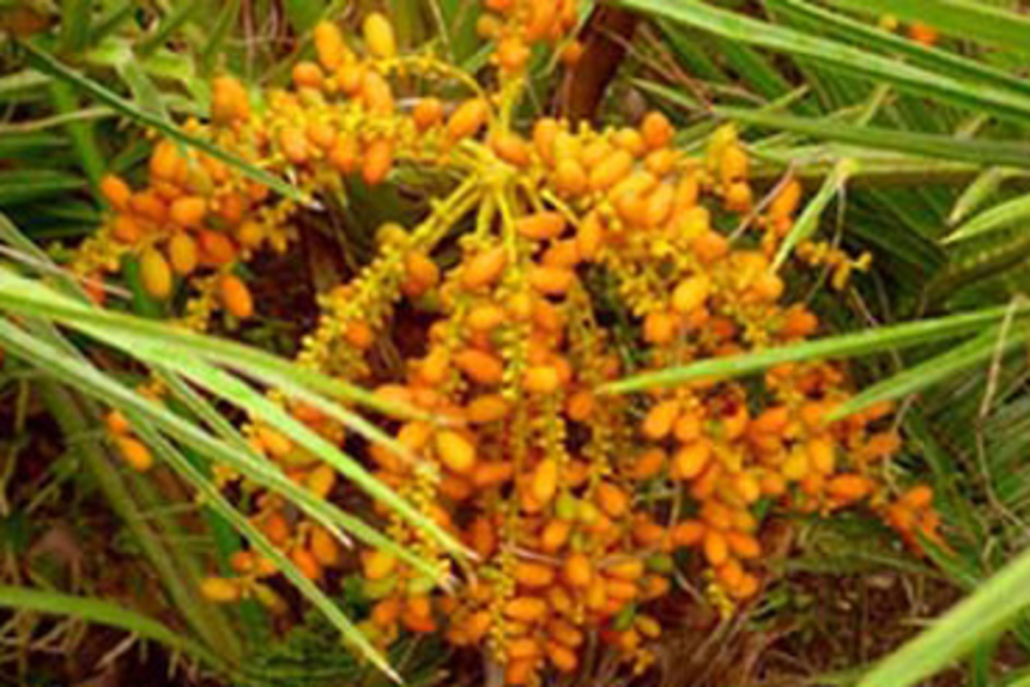
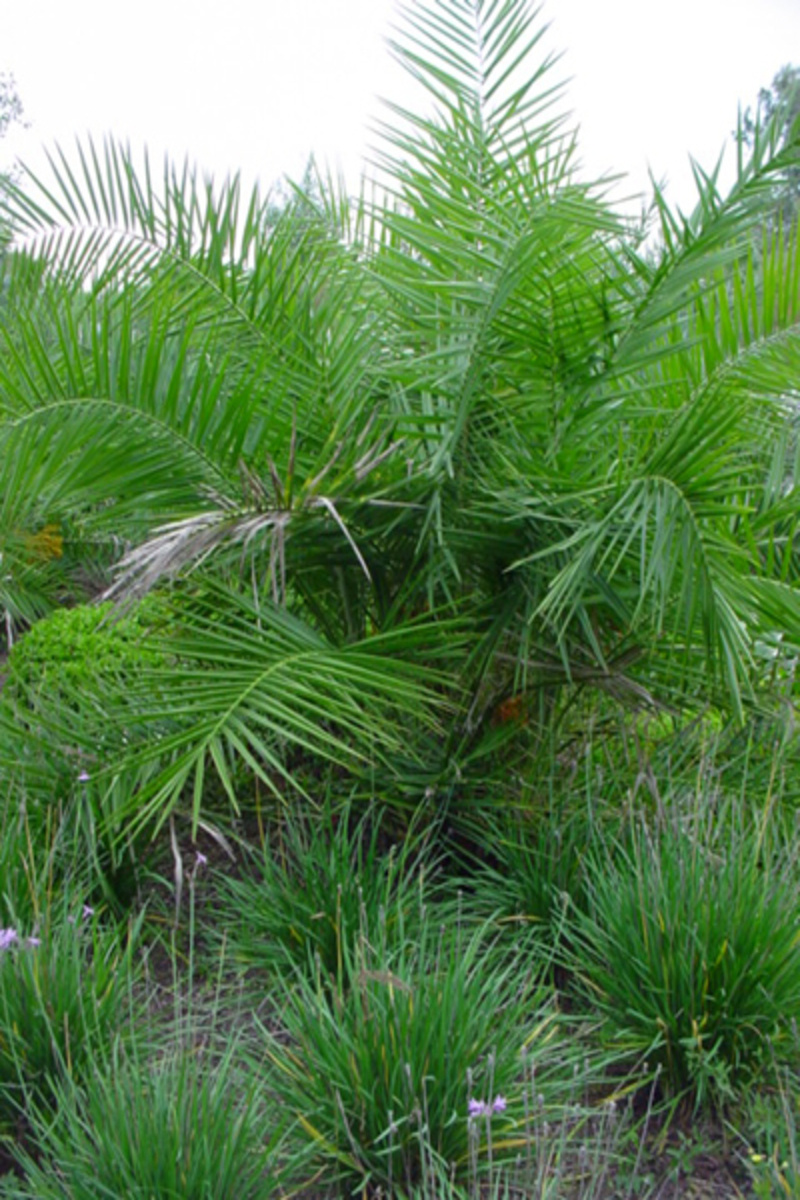
They require direct sunlight but can tolerate partial shade. They can reach 10–12 meters in height. This palm produces suckers, and the lateral stems emerging from the main trunk grow outward, giving the palm a full and lush appearance even when used solitarily. Yellow flowers bloom in spring. The fruits, maturing in autumn, start bright orange and later turn brown. The plant is propagated from seeds, which typically germinate within about one month when fresh.
It is especially popular in landscape applications in the Americas. It can be used solitarily in waterside and natural park settings.
At our center, in addition to hundreds of Senegal Date Palms over 10 years old, we also have hybrids over 2 years old produced from the Dwarf Date Palm (Phoenix roebelenii).
Our center houses 12 Phoenix species: Phoenix acoulis, Phoenix laurieri var. humilis, Phoenix reclinata × roebelenii, Phoenix sylvestris, Phoenix blue hybrid. We also continue the production and sale of Phoenix canariensis, Phoenix dactylifera, Phoenix theophrasti, Phoenix theophrasti ‘Gölköy’, Phoenix roebelenii, Phoenix rupicola, Phoenix reclinata.